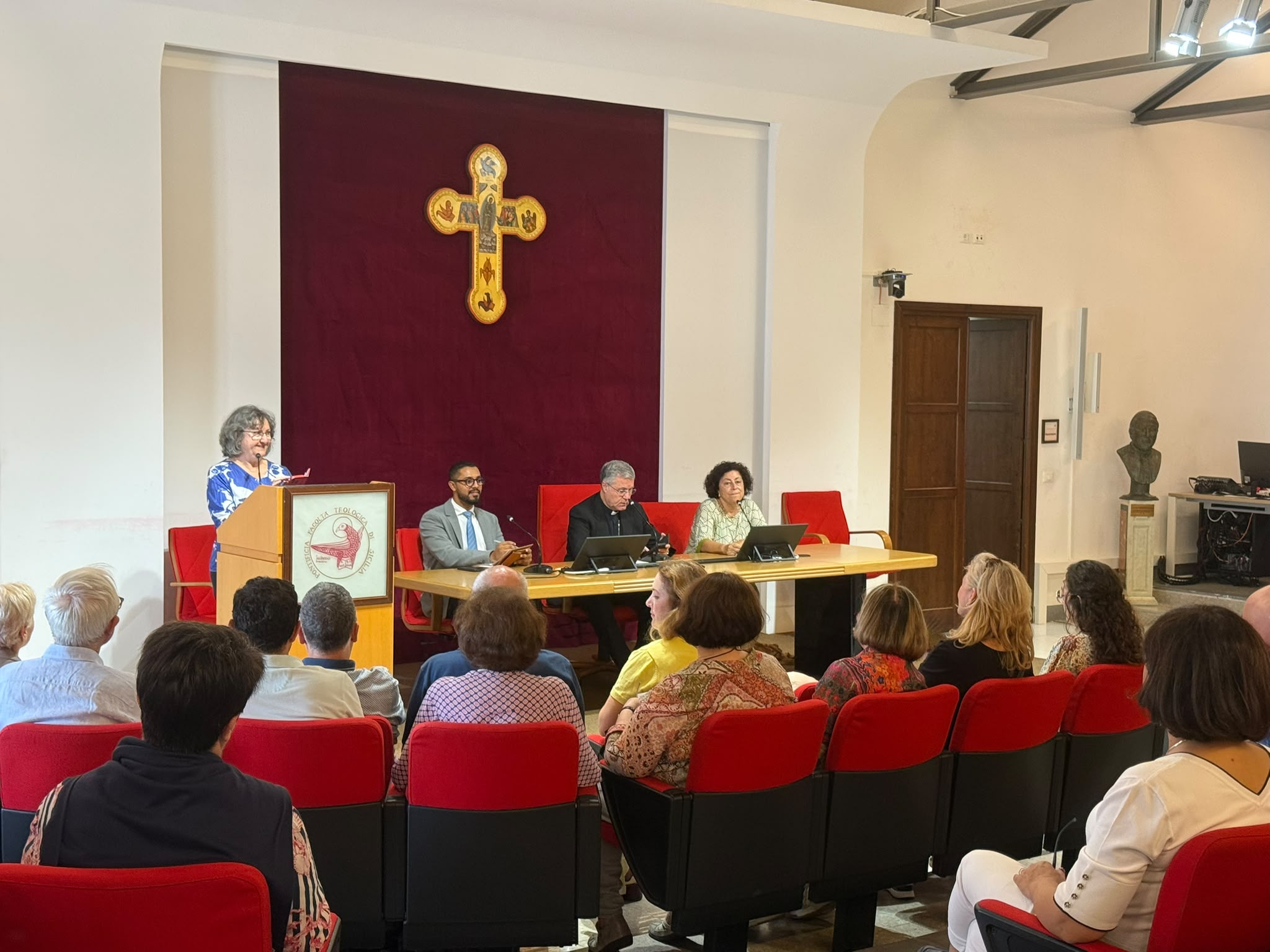
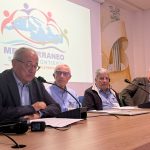
From left: Imam Akraf Aluani, Mons. Corrado Lorefice e Professor Luciana Pepi during the conference “Mediterranean Without Borders” in Palermo. Welcome and introduction by Maria Rosa Logozzo. Photo: Rete Mediterraneo di Fraternità
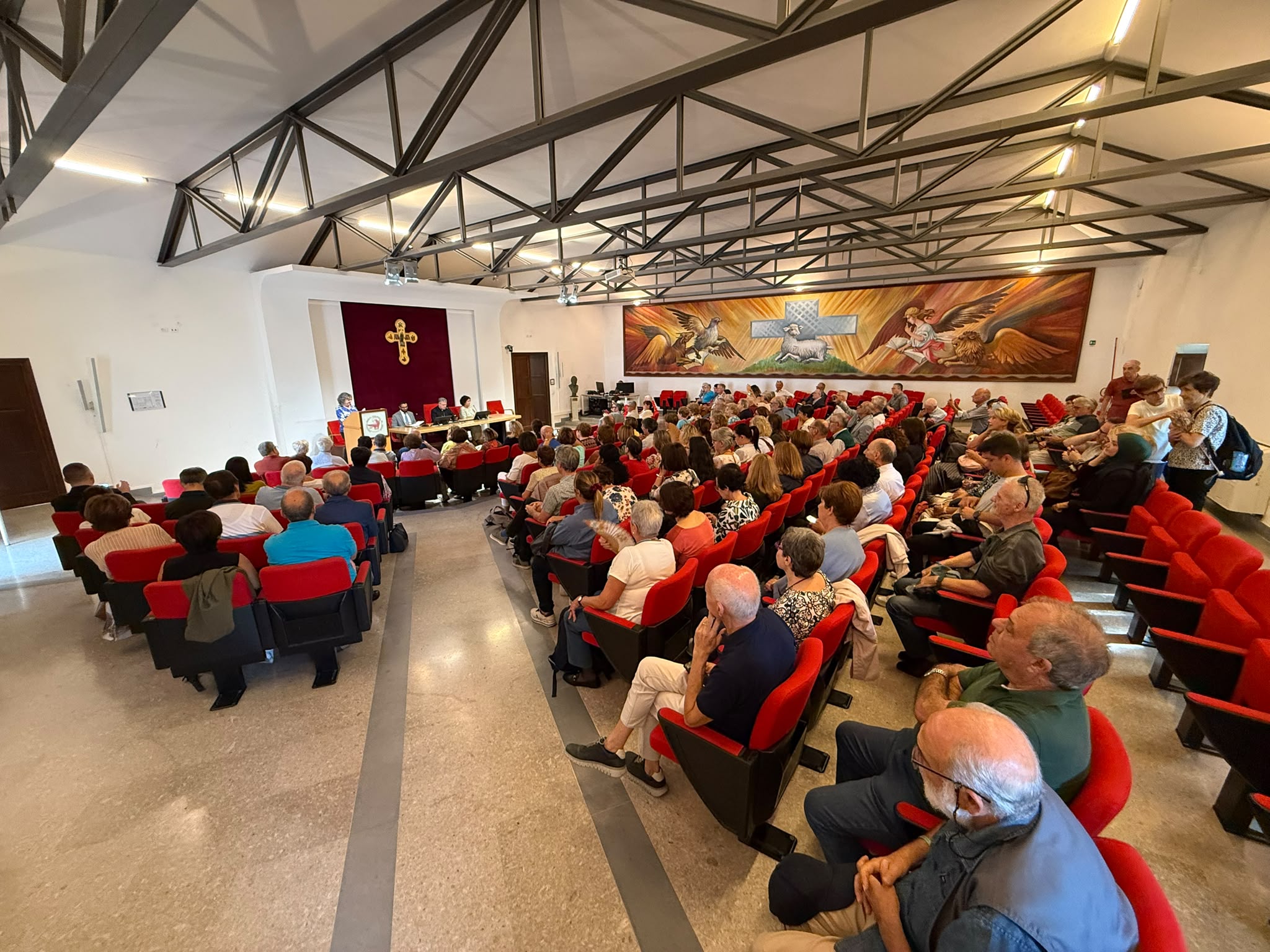
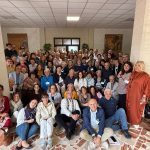
PALERMO, Italy – Representatives from 19 countries gathered in Palermo, Sicily, from Wednesday 7 October to Sunday 11 October 2026, for the conference Mediterranean Without Borders: Peoples Networked for Fraternity, promoted by the Focolare Movement. The five-day event brought together 101 participants to share experiences of dialogue, solidarity and cooperation, with the aim of strengthening relationships across the Mediterranean region.
Often referred to by its ancient name, Mare Nostrum – “Our Sea” – the Mediterranean connects Europe, Africa and Asia. Rather than separating continents, it has the potential to unite peoples, cultures and traditions. This vision was reflected in the work Mediterranean Without Borders by French artist and cartographer Sabine Réthoré, whose map highlights connections between communities while setting aside national boundaries.
The idea of a shared Mediterranean inspired the conference, giving renewed momentum to a vision expressed in 2023 by Margaret Karram, president of the Focolare Movement, during the Rencontres Méditerranéennes in Marseille. “I dream of a Mediterranean of fraternity,” she said.
 There was, therefore, great anticipation for this gathering, which was jointly conceived and organised over the course of a year and a half by members of the Movement from various zones across the Mediterranean region- North Africa and the Middle East, Eastern Europe, Western Europe, and Italy-Albania. The event drew participants from a wide range of countries: Spain, France, Austria, Northern Ireland, Malta, Greece, Italy, Cyprus, Croatia, Slovenia, Bosnia, Serbia, Turkey, Lebanon, Jordan, Syria, the Holy Land, Algeria, and Morocco.
We arrived with high expectations and enthusiasm for this project of a united Mediterranean, though we were unsure exactly how we would bring it to fruition. At the airport, there were smiles and shy greetings in foreign languages among strangers, alongside more relaxed exchanges whenever Italian could be spoken. We travelled together by bus to the event venue, located in a mountainous area outside the city. There was a shared desire to get to know one another, to learn about each other’s initiatives and to think up new forms of collaboration.
Sharing experiences of peace and solidarity
The conference opened on Thursday morning with a message from Margaret Karram presented by delegates representing the different regions. A panel discussion, moderated by Michele Zanzucchi, explored the Mediterranean from different perspectives, with contributions from Daniele Spadaro, Pasquale Ferrara, Naji Karam and other speakers.
A central part of the program was devoted to practical initiatives promoting fraternity in local communities. Thirteen experiences were presented during a plenary session, covering education, intercultural cooperation, interfaith dialogue, art, sport, hospitality, social inclusion and community development.
Among the projects discussed was the Living Peace initiative, which uses a dice bearing messages about peace to help children put values such as respect, dialogue and reconciliation into practice. Participants also heard about a primary school in Zagreb, Croatia, which promotes peace through a “Day of Non-Violence,” and the Zajedno association, where cooperation between a school, a student residence and a hospital helps build relationships across different sectors of society.
In Belfast, Northern Ireland, the experience of becoming a “Sanctuary City” was presented as an example of how communities can welcome refugees and support their integration. Another account came from Lampedusa, where volunteers work directly with migrants arriving on the island.
Economic and social inclusion featured prominently in the program. The Fo.Co. cooperative in Ragusa, Sicily, was highlighted for its work integrating young people and migrants into employment opportunities. Its activities also include innovative housing solutions and community services designed to encourage independence, strengthen neighbourhood relationships and move beyond assistance based solely on handouts.
Other initiatives demonstrated how intercultural and interfaith dialogue can contribute to community renewal. In the Pisa area, a project has encouraged civic participation and peaceful coexistence through the redevelopment of abandoned parish premises, creating spaces for a shared community life.
Art and international cooperation as bridges
Art emerged as another means of overcoming divisions and building relationships between communities. Participants shared experiences involving music, dance and visual arts, including musical connections between Sarajevo and Beirut and the Armonia academic dance workshop.
Visits to art galleries and cultural initiatives in Algeria were also presented as opportunities to challenge mistrust, confront historical wounds and develop new perspectives on other communities.
International cooperation provided further examples of solidarity across borders. One project supports Palestinian artisans by helping sell their products in Italy. Meanwhile, the organisations Un ponte per il Libano (“A Bridge for Lebanon”) and La Speranza OdV (“Hope Voluntary Organisation”) work to address medical needs in Lebanon by sending supplies of medicines.
The Centro La Pira and the Consiglio dei Giovani del Mediterraneo (Mediterranean Youth Council) were also presented for their efforts to support young people and encourage cooperation between cities as part of a broader vision of a united world.
Religious leaders call for encounter and dialogue
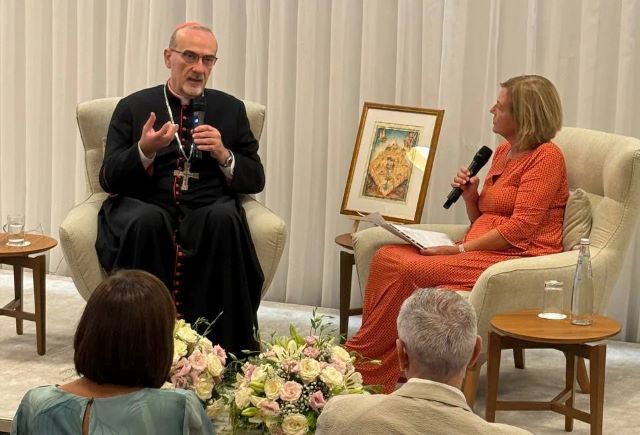
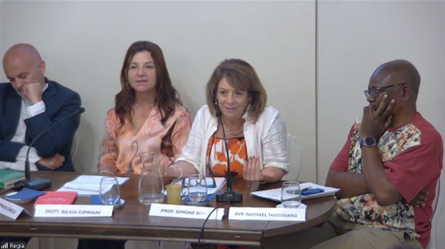
One of the conference’s key moments was the session entitled Mediterranean Without Borders, which brought together the Archbishop of Palermo Msgr Corrado Lorefice, Jewish scholar Professor Luciana Pepi and Imam Akraf Aluani.
Addressing the participants, Msgr Lorefice described the Mediterranean as a place shaped by different religions, cultures and languages, all called to contribute to encounter and dialogue.
“Encounter is constantly under threat, and dialogue is not always easy. Yet, there is no other calling or vocation than this,” he said.
The archbishop stressed that genuine dialogue begins with recognising the humanity of others. “There can be no process of encounter unless we are capable of looking one another in the eye, for it is in the face of the other that we recognize ourselves,” he added.
For her part, Professor Pepi described how the three faiths come together in Palermo and affirmed that peaceful coexistence is possible, even if it means going against the current. Finally, Aluani emphasized that “Palermo has never stopped hoping for and fostering hope for peace,” highlighting the role of religions in achieving this goal and viewing diversity as an opportunity for growth.
From dialogue to lasting collaboration
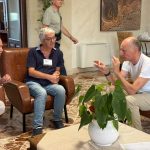
Alongside the plenary sessions, participants took part in smaller, language-based and thematic groups. These discussions provided space to examine the initiatives in greater depth, identify common challenges and explore possibilities for future cooperation.
Informal conversations during breaks were equally important, allowing participants to exchange ideas through attentive listening and personal encounters. Artistic performances brought the music, rhythms and cultural traditions of different Mediterranean communities into the conference hall, reinforcing the event’s central message of unity through diversity.
As the gathering drew to a close, questions remained about how the proposals and shared experiences would translate into concrete joint projects. However, participants expressed confidence that the meeting could serve as the starting point for a wider “laboratory of fraternity” across the region.
Some described the experience as a turning point, saying that it had challenged established ways of thinking and opened new perspectives on Europe’s future.
The conference ended without a definitive roadmap for all the initiatives discussed, but with a shared commitment to continue building relationships and expanding networks of cooperation. For those who attended, Palermo marked the beginning of a process aimed at making the Mediterranean not a boundary between peoples, but a meeting place where peace, solidarity and fraternity can take root.
By Candela Copparoni
Source: Città Nuova Magazine
Photos: Rete Mediterraneo di Fraternità
Gallery
Artist’s statement
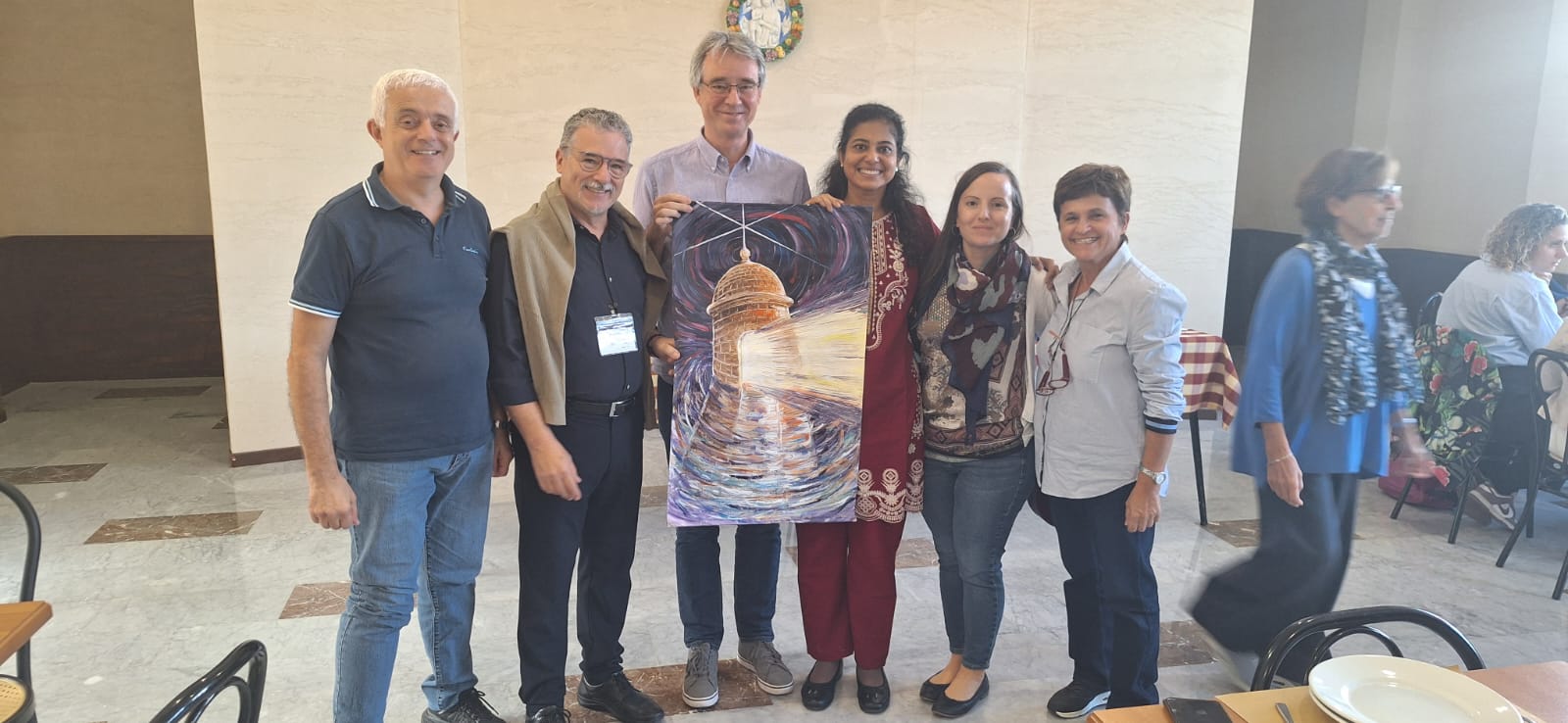
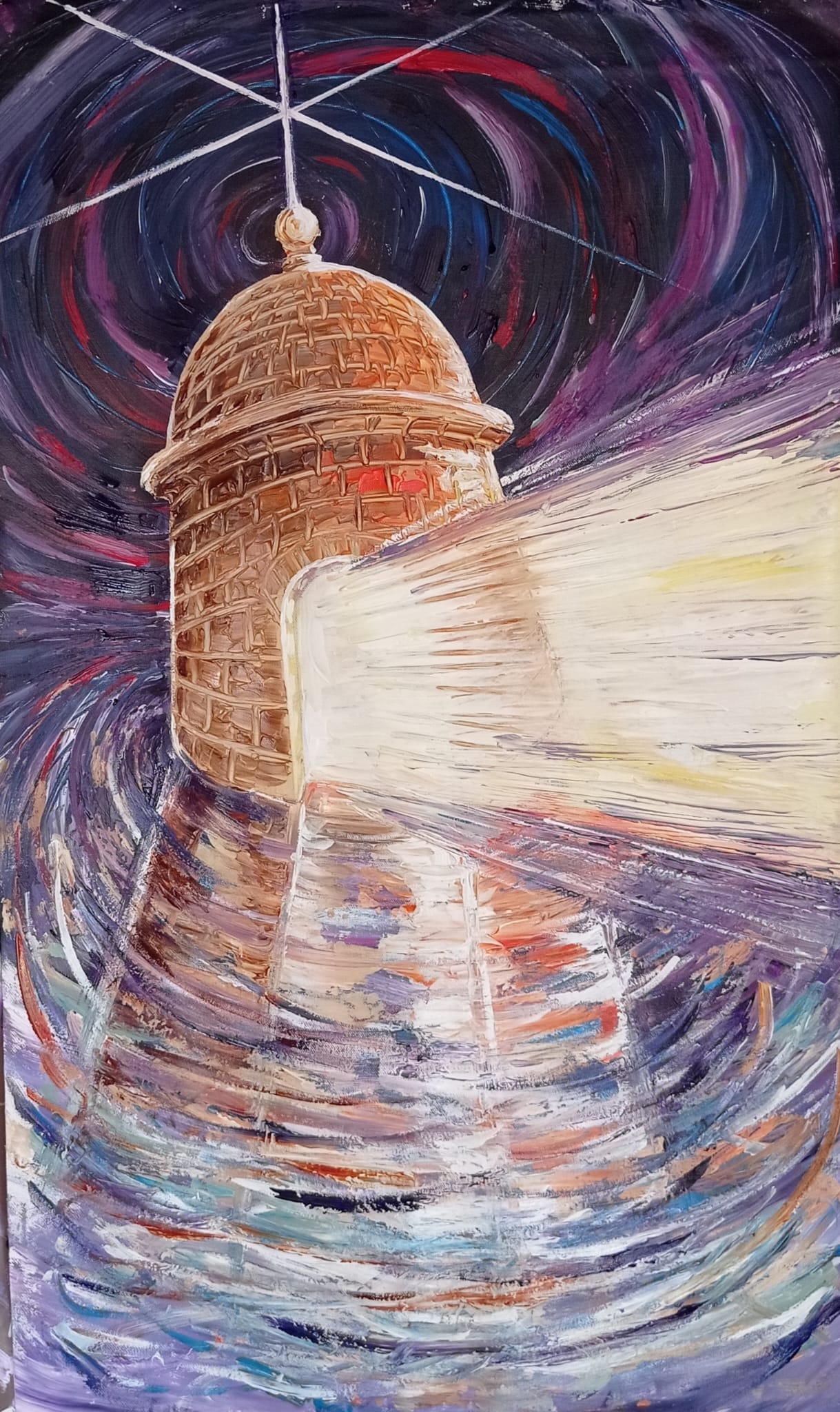
The title of this work is “Pharus”. At the top there is the North Star – the very destination for travellers, the ultimate goal, the harbour. We call this body of water Mare Nostrum (“Our Sea”), though we know that on the opposite side it is known as Baharum – the Roman Sea- or Baharhom (“Their Sea”). This is a small detail which I feel I should emphasise. We call it “Nostrum”, while others might call it Roman or theirs, but in effect it is a shared sea.
Moving downwards, there is darkness, a somewhat unsettling background which evokes the unknown – especially at night, when the sea batters the ship and uncertainty looms.
Then we come to the central section. This central part represents a watchtower, a sentinel – poised precariously, much like the tiny island of Malta itself, sitting in the middle of the Mediterranean. Why “poised precariously”? Because it conveys vulnerability; it stands truly alone and exposed. Indeed, the watchtower is a hallmark of Maltese architecture, reflecting both medieval styles and fortifications. It is a city, a fortress that defends but also welcomes others at the same time.
I would also like to highlight the fact that a great light radiates from this small watchtower. What is this great light? It represents Malta’s own vocation: situated in the heart of the Mediterranean, it strives to be a small harbour that defends its own identity while simultaneously embracing the identities of others.
It is a beacon — a true “Pharus”— for all other cultures. A beacon of love.
Then we move to the lower section, which represents the polychromatic sea. It signifies the various cultures in a state of syncretism – all the Mediterranean cultures – within this sea that surrounds us and also embraces us.