
Kelma tal-Ħajja

[:mt]Kelma tal-Ħajja ta’ April[:en]April Word of Life[:]

[:mt]Download pdf


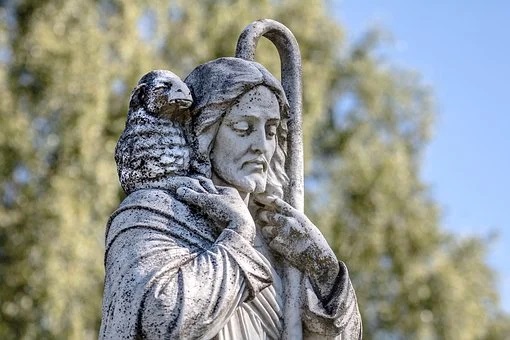
“Jiena r-ragħaj it-tajjeb. Ir-ragħaj it-tajjeb jagħti ħajtu għan-ngħaġ tiegħu” (Ġw 10, 11).

Il-Bibbja turina ambjent ta’ nomadi u rgħajja Lhud li fih il-ħajja kienet timxi bil-mod, filwaqt li llum il-ġurnata ħajjitna hi waħda mibnija fuq l-effiċjenza u l-kompetizzjoni. Madankollu, aħna wkoll xi drabi nħossu l-bżonn li nieqfu ftit, li nsibu xi post trankwill fejn nistrieħu, li niltaqgħu ma’ xi ħadd li jilqagħna kif aħna.

Ġesù jippreżenta ruħu bħala dak li, aktar minn kulħadd, hu lest li jilqagħna, li jserraħna, anzi li jagħti ħajtu għal kull wieħed u waħda minna.
Fis-silta twila tal-Vanġelu ta’ San Ġwann, li minnha ttieħdet din il-Kelma tal-ħajja, Hu jiżgurana li hu l-preżenza t’Alla fl-istorja ta’ kull bniedem, kif kien imwiegħed lil Iżrael b’fomm il-profeti .
Ġesù hu r-ragħaj, il-mexxej li jagħraf u jħobb in-nagħaġ tiegħu, jiġifieri dak li jieħu ħsieb il-poplu tiegħu għajjien u kultant mitluf. Hu mhuwiex xi ħadd barrani li ma jafx x’teħtieġ il-merħla, lanqas m’hu ħalliel, li jiġi biex jisraq, jew brigant li joqtol u jgerrex, lanqas m’hu korrott, li moħħu biss fl-interessi tiegħu.

“Jiena r-ragħaj it-tajjeb. Ir-ragħaj it-tajjeb jagħti ħajtu għan-ngħaġ tiegħu.”

Il-merħla li Ġesù jħossha żgur tiegħu hi magħmula mid-dixxipli tiegħu, minn dawk kollha li diġà rċevew id-don tal-magħmudija, imma mhux biss. Hu jaf ’il kull bniedem, isejjaħlu b’ismu u jieħu ħsiebna lkoll bi ħlewwa liema bħalha.
Hu tassew ir-ragħaj it-tajjeb, li mhux biss imexxina lejn il-ħajja, mhux biss jiġi jfittixna kull meta nintilfu , imma diġà ta ħajtu biex iwettaq ir-rieda tal-Missier, li hi komunjoni sħiħa u persunali Miegħu, li biha nsiru lkoll kemm aħna aħwa, wara l-ġerħa kbira tad-dnub.

Kull wieħed minna jista’ jfittex li jagħraf leħen Alla; li jisma’ l-Kelma li Hu qed jgħid propju lilu u jimxi warajha bil-fiduċja. Fuq kollox, nistgħu nibqgħu ċerti li Hu jħobbna, jifhimna u jaħfrilna bla ebda kundizzjoni ta’ xejn, għax hu żgurana li:

“Jiena r-ragħaj it-tajjeb. Ir-ragħaj it-tajjeb jagħti ħajtu għan-ngħaġ tiegħu.”

Meta imqar xi ftit, inħossu din il-preżenza siekta imma qawwija Tiegħu f’ħajjitna, f’qalbna tixgħel ix-xewqa li naqsmuha mal-oħrajn, li nitqawwew fil-ħila tagħna biex nieħdu ħsieb u nilqgħu lill-oħrajn. Fuq l-eżempju ta’ Ġesù, ejjew infittxu li nsiru nafu aħjar lill-familja tagħna, il-kollegi ta’ fuq ix-xogħol, jew lill-ġirien tagħna, biex inġorru xi ftit it-toqol tagħhom.
Nistgħu niżviluppaw il-fantasija tal-imħabba, u nitolbu lill-oħrajn jgħinuna u aħna wkoll li ngħinu lil ħaddieħor. Fiċ-ċokon tagħna, nistgħu nagħtu sehemna biex nibnu komunità miftuħa ta’ aħwa, li jkollhom il-ħila jgħinu bis-sabar u l-kuraġġ il-mixja ta’ ħafna.

Chiara Lubich kitbet meditazzjoni dwar dan il-kliem tal-Vanġelu: “Ġesù qal hekk fuqu nnifsu: ‘Ħadd m’għandu mħabba akbar minn din: li wieħed jagħti ħajtu għal ħbiebu” (Ġw 15, 13). din l-offerta tiegħu Hu għexha bi sħiħ. Imħabbtu tfisser li hu lest joffri u jagħti ħajtu. […] Alla jitlob minna wkoll […] atti ta’ mħabba li, għall-inqas fl-intenzjoni u d-deċiżjoni, ikollhom l-istess kejl ta’ mħabbtu. […]. Din hi l-imħabba vera; ma tridx tkun imħabba kif ġie ġie, mhijiex kisja ta’ mħabba, imma mħabba hekk kbira li tkun lesta tagħti ħajjitha. […] Jekk ngħixu hekk, il-ħajja nisranija tagħna tagħmel qabża kbira ʼl quddiem. U mbagħad għad naraw jinġabru madwar Ġesù, miġbudin lejn leħnU, nisa u rġiel minn kull naħa tad-dinja .

Letizia Magri


https://soundcloud.com/user-63571203/april-word-of-life[:en]

“I am the good shepherd. The good shepherd lays down his life for the sheep” (Jn 10:11).

Images of biblical culture and references to the slow pace of nomadic and pastoral life seem far removed from our daily needs for efficiency and competitiveness. Yet we too sometimes feel the need to pause, to find a place to rest and to encounter someone who welcomes us just as we are. Jesus presents himself as the one who, more than anyone else, is ready to welcome us and offer us rest: indeed he is ready to give his life for each one of us. In the long passage of John’s Gospel from which this word of life is taken, he assures us that he is the presence of God in the history of each person just as the prophets promised to the people of Israel. [i] Jesus is the shepherd and guide who knows and loves his sheep; that is, he knows and loves his weary and sometimes lost people. He is not a stranger who ignores the needs of the flock, nor a thief who comes to steal, nor a brigand who kills and scatters, nor a mercenary who acts only out of self interest.

“I am the good shepherd. The good shepherd lays down his life for the sheep.”

The flock that Jesus considers to be his own certainly consists of his disciples and all those who have already received the gift of baptism but there are others too. Jesus knows every human creature, he calls them by name and tenderly cares for each one. He is the true shepherd who not only guides us towards life and searches for us whenever we go astray[ii] but has also already given his life so that the will of the Father could be fulfilled, that is, so that we experience the fullness of personal communion with him and, though mortally wounded by sin, we can rediscover our brother and sisterhood. Each of us can try to recognize God’s voice, hear his word addressed to us and trustingly follow it. Above all, we can he sure that we are loved, understood and forgiven unconditionally by the one who tells us:

“I am the good shepherd. The good shepherd lays down his life for the sheep.”

When, at least in a small way, we experience this silent but powerful presence in our lives, the desire to share this and grow in our capacity to care and welcome others begins to burn in our hearts. Following Jesus’ example, we can try to know and better understand the members of our family, our colleagues and our neighbours: we can begin to allow other people’s needs to disturb our peaceful lives Love can give us great imagination: we can find ways of involving others in what we do and new ways of engaging with them. In our own small way, we can contribute to building fraternal and open communities, capable of patiently and courageously accompanying many others on their journey through life.

Meditating on this same phrase from the Gospel, Chiara Lubich wrote: “Jesus will openly say of himself: ‘No one has greater love than this: to lay down one’s life for one’s friends’ (Jn 15:13). And he lives his offering to the full. His love is all encompassing, that is, a love made up of a real willingness to offer, to give one’s life. God also asks of us … acts of love that have (at least in intention and decision) the measure of his love… Only such a love is a Christian love: not any love, not a veneer of love, but a love so great that it puts life at stake. By doing this, our lives as Christians will take a qualitative leap, a great qualitative leap. And then we will see men and women from every corner of the earth gather around Jesus, attracted by his voice”. [iii]

Letizia Magri

[i] Cf Ez. 34:24-31

[ii] Cf Lk. 15:2-7, Mt. 8:12-14

[iii] C. Lubich Word of Life April 1997


https://soundcloud.com/user-63571203/april-word-of-life[:]

Add Comment

Click here to post a comment

This site uses Akismet to reduce spam. Learn how your comment data is processed.