
 Malti
Malti English (UK)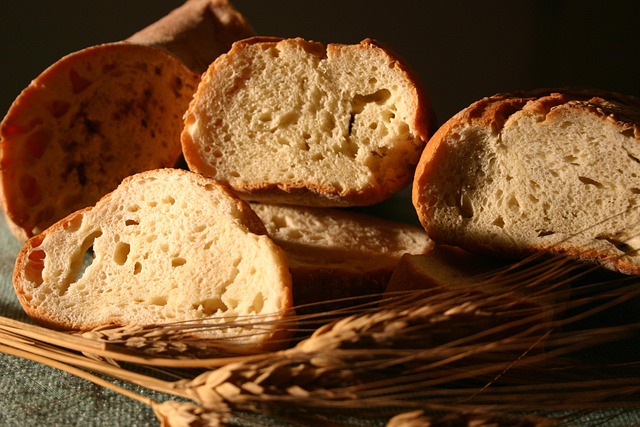
[:mt]Niżżel il-fuljett tal-Kelma tal-Ħajja bil-Malti
“Agħtuhom intom x’jieklu” (Lq 9, 13).
Ninsabu f’post ftit ʹil barra minn Betsajda, fil-Galilija, fejn Ġesù kien qed ikellem lil ġemgħa kbira ta’ nies fuq is-Saltna t’Alla. L-Imgħallem kien mar hemmhekk mal-appostli biex jistrieħu wara l-missjoni twila li kellhom f’dawk l-inħawi, fejn huma ppridkaw il-konverżjoni: “Ħarġu, mela, u bdew iduru l-irħula jxandru l-Bxara t-tajba u jfejqu l-morda kullimkien”1. Għajjenin kif kienu, imma b’qalbhom mimlija, bdew jirrakkontaw l-esperjenza tagħhom.
Meta n-nies saret taf li Ġesù u d-dixxipli kienu qegħdin hemm, bdiet tinġabar madwarhom. Ġesù laqa’ ʹl kulħadd: beda jisma’, jitkellem u jfejjaq. Sadattant il-folla bdiet tiżdied, kien riesaq il-lejl u l-ġuħ beda jagħmel ġmielu. L-appostli bdew jinkwetaw u lill-Imgħallem tawh soluzzjoni li kienet tagħmel sens: “Ibgħathom in-nies, ħa jmorru fl-irħula u fl-irziezet tal-qrib, biex isibu fejn jistrieħu u jieklu xi ħaġa”. Wara kollox, Ġesù kien ġa għamel ħafna… Imma hu weġibhom:
“Agħtuhom intom x’jieklu.”
Baqgħu mistagħġba għax kif setgħu jitimgħu lil dawk l-eluf kollha ta’ nies b’ħames ħobżiet u żewġ ħutiet! Ma kienx possibbli li f’dawk l-inħawi ta’ Betsajda jsibu l-ikel kollu meħtieġ u lanqas kellhom il-flus biex jixtruh.
Ġesù ried jiftħilhom għajnejhom. Lilu kienu jinteressawh il-bżonnijiet u l-problemi tan-nies, u hu kien jara kif jagħmel biex isolvihom. Beda b’dak li kellhom f’idejhom, li kien ftit wisq. Imma ried isejħilhom għal missjoni: li jkunu għodda f’idejn il-ħniena ta’ Alla li jieħu ħsieb uliedu. Il-Missier jagħmel il-parti tiegħu, imma “għandu bżonnhom”.
Il-miraklu “jeħtieġ” li aħna nagħmlu l-parti tagħna u nemmnu, il-bqija jagħmlu hu.
“Agħtuhom intom x’jieklu.”
Għall-oġġezzjoni tal-appostli Ġesù ta l-għajnuna tiegħu, imma talabhom jagħmlu l-parti sħiħa tagħhom, anki jekk din kienet ċkejkna. Ma solviex il-problema minflokhom, iżda l-miraklu seħħ. Talabhom jagħtu s-sehem tagħhom b’mod sħiħ u dak li kien hemm tqassam bejn kulħadd. Dan kien jitlob sagrifiċċju u fiduċja fih.
L-imgħallem jitlaq minn dak li ngħaddu minnu biex jgħallimna nieħdu ħsieb xulxin. Quddiem il-bżonnijiet ta’ ħutna m’għandniex għax inġibu skużi: “din mhix biċċa tagħna”, “jien ma nista’ nagħmel xejn”, “iridu jaraw kif se jsibu soluzzjoni, kif jagħmel kulħadd…”. Fis-soċjetà skont il-ħsieb ta’ Alla, huma mberkin dawk li jitimgħu lil min hu bil-ġuħ, li jlibbsu ʹl-foqra, li jżuru lil min jinsab fil-bżonn.2
“Agħtuhom intom x’jieklu.”
Ir-rakkont ta’ din il-ġrajja jfakkarna fit-tixbiha tal-ikla li jirrakkonta dwarha l-ktieb ta’ Isaija, u li Alla stess joffri lill-ġnus kollha, meta hu “jixxotta… d-dmugħ minn fuq kull wiċċ” 3.Ġesù qalilhom biex joqogħdu bilqiegħda ħamsin ħamsin. Bħala Iben, hu jġib ruħu bħall-Missier, u b’hekk jidher biċ-ċar li hu tassew Alla.
Hu stess tana kollox, sar ikel għalina, fl-Ewkaristija, l-ikla ġdida tal-aħwa.
Meta raw il-ħafna bżonnijiet li kien hemm waqt il-pandemija tal-covid-19, il-komunità tal-Fokolari ta’ Barċellona, waqqfu grupp li fih bdew jgħarrfu lil xulxin bil-bżonnijiet li kellhom permezz tal-mezzi soċjali. Bdew jaqsmu bejniethom minn dak li kellhom. Kienet impressjonanti tara kif bdew jagħtu għamara, ikel, mediċini… “Waħedna ftit nistgħu nagħmlu”, imma “flimkien nistgħu nagħmlu ħafna”. Il-grupp “Fent família” għadu sal-lum jgħin biex iseħħ dak li kien isir fl-ewwel komunitajiet insara, fejn ħadd ma kien jonqsu xejn 4.
Silvano Malini
u l-grupp tal-Kelma tal-Ħajja
1: Lq 9, 6
2: Ara Mt 25, 35-40
3: Is 25, 8
4: Ara At 4, 34
https://soundcloud.com/user-63571203/june-2025wol?utm_source=clipboard&utm_medium=text&utm_campaign=social_sharing&si=a77f2b06b3b14da6bac94473a498fa3d[:en]
“You give them something to eat” (Lk. 9:13).
for ages 4-8 | Print | Audio
We are in a lonely place near Bethsaida in Galilee where Jesus is speaking about the Kingdom of God to a large crowd of people. He had gone there with the disciples so they could rest after a long and busy period in that region, during which they had preached and called for conversion ‘proclaiming the good news everywhere and healing many people.’ [i] They were tired but very happy as they recounted what they had experienced. However, when people heard what they had done, they made their way to join them. Jesus welcomes everyone. He listens, speaks and heals and the crowd continues to grow. Evening approaches and hunger sets in. The disciples worry about this fact and propose a logical and realistic solution to their master: ‘Send them away, so that they may go to the villages to find food and stay there.’ They think that Jesus has already done more than enough…. but he responds:
“You give them something to eat.”
They are astounded. They have only five loaves and two fish for a few thousand people; it is not possible to find all that is needed in a little place like Bethsaida, nor do they have the money to pay for it all.
Jesus wants to open their eyes. He is deeply touched by the needs and problems of the people and he wants to find a solution for them. He does this by starting from reality and valuing what is there. True, the disciples have very little but he entrusts them with a mission: he asks them to be instruments of God who is mercy and who looks after his children. The Father can intervene and yet he also ‘needs’ them. The miracle ‘needs’ our initiative and faith, and then the Father will take it further.
“You give them something to eat.”
Jesus understands the disciples’ objections but asks them to do their part. Even if their contribution may be small, he does not regard it with disdain nor does he simply solve the problem for them. The miracle takes place but it requires their full participation and their making available all that they have and can procure. This implies a certain sacrifice and trust in Jesus.
Jesus is a teacher and he starts from the events that unfold around us to help us learn how to take care of one another. When we are aware that others are in need, excuses such as ‘it’s not our job’, ‘we can’t do anything about it’ or ‘they have to make do like everyone else’ have no value at all. According to God’s plan for society, blessed are those who feed the hungry, who clothe the poor and who visit those in need [ii]
” You give them something to eat.”
This episode recalls a passage found in the book of Isaiah that describes a banquet offered by God himself to all nations when he will ‘wipe away the tears on every face.’ [iii] Jesus asks people to sit down in groups of fifty, a number found in Old Testament texts that describe significant occasions. He is the Son but he acts like the Father revealing his divinity.
He himself will give everything, even to the point of becoming food for us in the Eucharist, the new banquet of sharing. During the Covid-19 pandemic, the Focolare community in Barcelona became aware of the many challenges that the people around them were facing. They used social networks to create a group to collect information about needs and to pool resources. They commented that it was impressive to see how furniture, food, medicine and household appliances were circulated. They said, ‘Alone we can do little but together we can do a lot.’ Even today, the ‘Fent Família’ group helps to ensure that no one among them is in need. This is how the first Christians lived. [iv]
by Silvano Malini & the Word of Life Team
[i] Lk. 9:6
[ii] Cf. Matt. 25:35-40
[iii] Is. 25:8
[iv] Cf. Acts. 4:34

Add Comment