
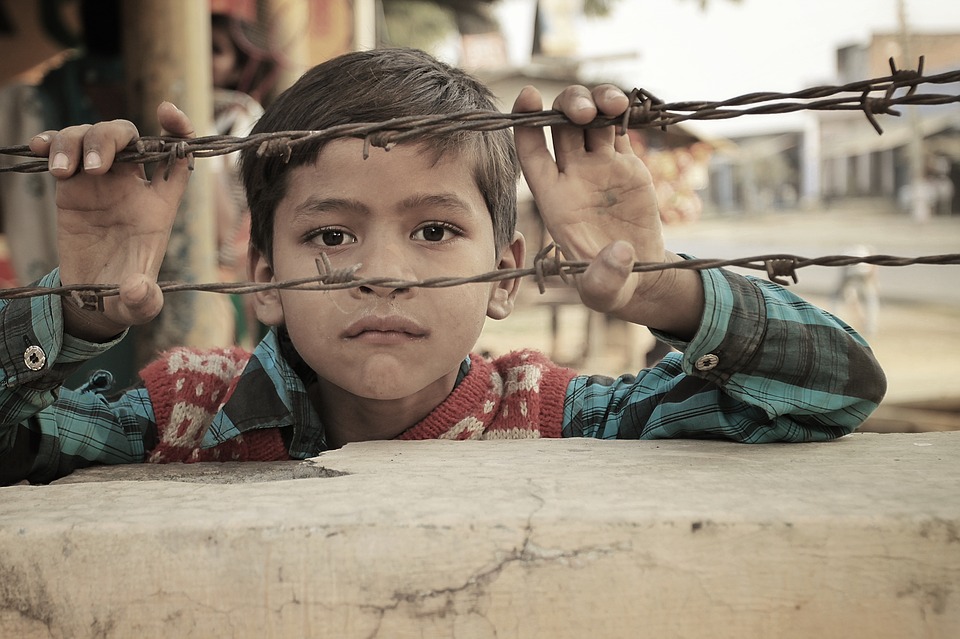
In a few days it will be Christmas. It’s a celebration when we can meet up as a family and renew relationships, regardless of the lights and the gifts. God became a child and was born in the poverty of a manger. On Christmas Day 1986, Chiara Lubich invited the communities of the Focolare Movement to go out towards those who are suffering the most. Today too, we have many brothers and sisters who are having to live in situations of suffering and they are waiting for us to share with them and to bring them comfort.
“Today the warmth of the Christmas spirit makes us all feel more like a family, more united as one, more like brothers and sisters, so that we want to share everything, both joys and sorrows. Above all, we want to share the pain of those who, due to various circumstances, are suffering.
Suffering!
Suffering can at times overcome our entire being, or occur suddenly and mix bitterness with the pleasant moments of our day.
Suffering caused by an illness, an accident, an ordeal, a painful circumstance. …
Suffering! …
If we look at suffering from a human standpoint, we are tempted to look for its cause either within us or outside of us, for example, in human malice, or in nature, or in other things. …
And all this might be true, but if we think only in these terms, we forget something more important. We lose sight of the fact that underlying the story of our lives is the love of God who wills or permits everything for a higher purpose, which is our own good. …
And didn’t Jesus himself, after inviting us to take up our cross and follow him, then affirm, “Those who lose their life” – and this is the apex of suffering – “will find it”?[1]
Suffering, therefore, brings hope of salvation.
So what can we say today to our friends who are struggling with pain and suffering? …
Let’s approach them with the greatest possible respect, because even though they may not think so, in this moment they are being visited by God.
Then, inasmuch as we can, let’s share their crosses, which means to truly keep Jesus in the midst with them. Let’s also assure them that we are continually with them, and assure them of our prayers, so that they will be able to take directly from the hand of God whatever makes them suffer, and unite it to the passion of Jesus so that it can produce the greatest possible fruit. …
And let’s remind them of that marvelous Christian principle of our spirituality, by which suffering that is loved as a countenance of Jesus crucified and forsaken can be transformed into joy.
May this be our … Christmas/OR commitment – to share every suffering with our brothers and sisters who are suffering the most, and offer our own sufferings to Baby Jesus.”
Chiara Lubich