[:mt]Niżżel il-fuljett tal-Kelma tal-Ħajja bil-Malti
“Henjin dawk li jħennu, għax huma jsibu ħniena” (Mt 5, 7).
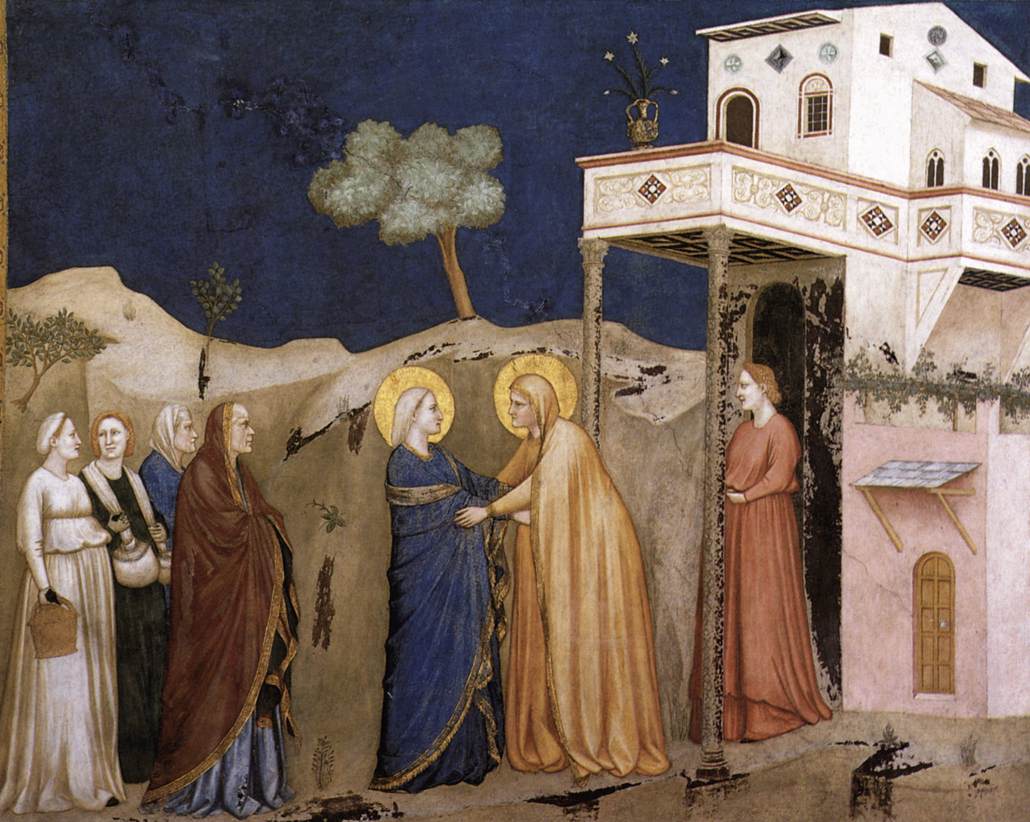
Fil-Vanġelu ta’ San Mattew, id-diskors tal-muntanja nsibuh wara li Ġesù ta bidu għall-ħajja pubblika tiegħu. Il-muntanja narawha bħala simbolu tal-għolja tas-Sinaj ġdida fejn Kristu, il-Mosè ġdid, joffri l-“liġi” tiegħu. Fil-kapitlu ta’ qabel dan, insibu folol kbar jimxu wara Ġesù biex jisimgħu t-tagħlim Tiegħu. Iżda Ġesù għamel dan id-diskors lid-dixxipli u lill-komunità tal-bidu, lil dawk li mbagħad bdew jissejħu Nsara. Hu jintroduċi s-“saltna tas-smewwiet” li hi l-qalba tad-diskors ta’ Ġesù[1]. Dan il-kliem ifisser il-programm tiegħu, u hu messaġġ ta’ salvazzjoni li “jiġbor fil-qosor l-Aħbar Tajba li turi l-imħabba ta’ Alla li ssalva”[2].
“Henjin dawk li jħennu, għax huma jsibu ħniena.”
Xinhi l-ħniena? Min huma dawk li jħennu? Fil-bidu ta’ din is-sentenza nsibu l-kelma “imbierek/ imberkin”[3], li tfisser ferħan, xortih tajba u tfisser ukoll imbierek minn Alla. Fost id-disa’ beatitudnijiet, din qiegħda f’nofshom. Il-beatitudnijiet m’humiex xi mġiba li tiġi ppremjata, imma huma tassew ċans tad-deheb biex insiru nixbhu ʹl Alla. B’mod partikolari, dawk li jħennu huma dawk li għandhom qalb mimlija mħabba għaliH u għal ħuthom il-bnedmin; imħabba konkreta li tressaqhom lejn dawk li jinsabu fl-aħħar post, il-minsijin, il-foqra, lejn dawk li jeħtieġu min iħobbhom bla ma jistennew xejn; fil-fatt il-Ħniena hi waħda mill-kwalitajiet li nsibu f’Alla[4]; Ġesù stess hu ħanin.
“Henjin dawk li jħennu, għax huma jsibu ħniena.”
Il-beatitudnijiet jibdlu għal kollox il-mod kif ġeneralment naħsbuha. Mhumiex biss kliem ta’ faraġ, imma għandhom is-setgħa li jibdlulna qalbna, għandhom il-qawwa li joħolqu bnedmin ġodda: l-aħbar tal-Kelma tkun waħda li tagħti l-frott. Jeħtieġ ngħixu l-beatitudni tal-ħniena anki magħna nfusna, irridu nagħrfu li aħna neħtieġu dik l-imħabba straordinarja, mill-aktar wiesa’ u mmensa li għandu Alla għal kull wieħed u waħda minna.
Ħniena[5] ġejja mill-kelma Lhudija rehem, “ġuf” u tfakkarna fil-ħniena t’Alla li hi bla limiti, bħall-ħniena li turi omm ma’ wliedha. Hi “mħabba bla qies, abbundanti, universali, konkreta. Hi mħabba li tqanqal sabiex inħobbu ʹl xulxin, li hi l-iskop aħħari tal-ħniena. […] Għalhekk, jekk xi ħadd naqasna, jew mexa b’mod inġust magħna, irridu naħfrulu u mbagħad aħna nirċievu l-maħfra. Irridu nkunu aħna l-ewwel li nagħdru, li nħennu! Quddiem kull proxxmu tagħna, irridu nistaqsu lilna nfusna: ommu kif kienet iġġib ruħha miegħu? Ukoll jekk tkun tidher ħaġa diffiċli u li titlob minna qalb kbira. Dan il-ħsieb jgħinna naħsbu u ngħixu skont il-qalb ta’ Alla”[6].
“Henjin dawk li jħennu, għax huma jsibu ħniena”.
“Wara sentejn żwieġ, it-tifla tagħna u r-raġel tagħha ddeċidew li jinfirdu u aħna rġajna lqajnieha lura d-dar. F’mumenti ta’ tensjoni fittixna li nħobbuha, naħfrulha u nifhmuha sew bis-sabar kollu. Ippruvajna nibnu rabta miftuħa magħha u ma’ żewġha, mingħajr ma niġġudikaw kemm lilha kif ukoll lil żewġha. Wara li domna tliet xhur nisimgħuhom, ngħinuhom b’mod diskret u wara ħafna talb, huma reġgħu lura flimkien b’għarfien, fiduċja u tama ġdida”[7].
Infatti l-ħniena hi akbar mill-maħfra. Il-ħniena hi li jkollok qalb kbira, li jkollok seba’ mitt sena sa ma tħassar kollox, sa ma taħraq darba għal dejjem dak kollu li jista’ jfixkel ir-rabta tagħna ma’ xulxin. L-istedina ta’ Ġesù għall-ħniena tfisser li għandna nersqu lejn xulxin biex inkunu dak li għalih konna maħluqa: li nkunu nixbhu lil Alla.
Letizia Magri
[1] Ara Mt 4: 23; Mt 5: 19, 20.
[2] C. Lubich, Parola di Vita novembre 2000, mill-ktieb, Parole di Vita, ta’ Fabio Ciardi (Opere di Chiara Lubich 5; Città Nuova, Ruma 2017), pġ. 633.
[3] Bil-Grieg makarios/i li tintuża biex turi kundizzjoni ta’ xorti tajba, ta’ ferħ tal-bnedmin u li turi l-kundizzjoni ta’ privileġġ tal-allat meta mqabbla mal-bnedmin.
[4] Mil-Lhudi hesed, jiġifieri mħabba bla interessi u li tilqa’, imħabba lesta li taħfer.
[5] Mil-Lhudi Rahamim.
[6] Cit., C. Lubich, Parola di Vita Novembru 2000, pġ. 633-634.
[7] Esperjenza meħuda minn fuq: www.focolare.org

Listen to the Word of Life
https://soundcloud.com/user-63571203/november-2022-word-of-life?utm_source=clipboard&utm_medium=text&utm_campaign=social_sharing[:en]
for ages 4-8 | for ages 9-17 | Print| Audio
“Blessed are the merciful, for they will receive mercy” (Mt 5:7 ).
In Matthew’s Gospel, the Sermon on the Mount is found after the passages referring to the start of Jesus’ public life. The mountain is seen as a symbol of a new Mount Sinai on which Christ, the new Moses, offers his ‘law’. The previous chapter speaks of great crowds who began to follow Jesus and to whom he addressed his teachings. These words, however, are spoken by Jesus to the disciples and to the newly formed community who would later be called Christians. He introduces the ‘kingdom of heaven’ that lies at the very heart of his preaching, [i] The Beatitudes are its manifesto, the message of salvation and the ‘synthesis of all the Good News that is the revelation of God’s saving love.’ [ii]
“Blessed are the merciful, for they will receive mercy.”
What is mercy? Who are the merciful? The sentence is introduced by the word ‘blessed’. which means happy [iii] or fortunate and also takes on the meaning of being blessed by God. In the text, this phrase has central place among the nine Beatitudes which do not refer to behaviour that will be rewarded but are real opportunities to become a little more like God. The merciful, in particular, are those whose hearts are filled with love for him and for their brothers and sisters, a concrete love that favours the least, the forgotten, the poor and those in need of this selfless love. Mercy, in fact, is one of God’s attributes; [iv] Jesus himself is mercy.
“Blessed are the merciful, for they will receive mercy,”
The Beatitudes transform and revolutionise the most commonly held precepts of our thinking. They are not just words of consolation but have the power to change our hearts, to create a new humanity and make the proclamation of the Word effective. We should live the beatitude of mercy with ourselves too and recognise that we are in need of that extraordinary, superabundant and immense love that God has for each of us. The word mercy [v] comes from the Hebrew rehem, ‘womb’ and evokes a sense of limitless divine mercy, like the compassion of a mother for her child. It is ‘a love that is beyond measure, abundant, universal and concrete… A love that tends to draw out a response from others which is the ultimate goal of mercy. … And so, if we have suffered due to any offence or any injustice, let us forgive and be forgiven. We can be the first to be merciful and compassionate! Even if this seems difficult and challenging, let us ask ourselves, in front of each neighbour, how this person’s mother would behave towards him or her? It is a thought that helps us to understand and live according to the heart of God.’ [vi]
“Blessed are the merciful, for they will receive mercy.”
‘After two years of marriage, our daughter and her husband decided to separate. We welcomed her back into our home and during the moments of tension that followed, we tried to love her by being patient, forgiving and having an attitude of understanding in our hearts. We maintained an open relationship with her and her husband, above all by trying not to be judgmental. After three months of listening, discreetly helping and many prayers, they were reunited and there is a different sense of awareness, trust and hope in their relationship.’ [vii]
Being merciful is more than forgiving. It means having a heart that longs to cancel out and to burn away everything that may be an obstacle in our relationships with others. Jesus’ invitation to be merciful, offers us a means of returning to the original design of God and become what we were created to be: made in his image and likeness.
Letizia Magri
[i] Cf. Mt 4:23 & 5:19, 20.
[ii] C. Lubich Word of Life, Nov 2000
[iii] In Greek, makarios/i is used both to describe a fortunate, happy condition of human beings and to indicate the privileged status of the gods over that of human beings.
[iv] In Hebrew hesed, meaning selfless and welcoming love, ready to forgive
[v] [v] Rahamim in Hebrew.
[vi] C. Lubich Word of Life, Nov 2000
[vii] Taken from www.focolare.org
Listen to the Word of Life
https://soundcloud.com/user-63571203/november-2022-word-of-life?utm_source=clipboard&utm_medium=text&utm_campaign=social_sharing[:]

Malti
English
Add Comment