
 English
 Malti
Malti[:mt]Download pdf
“Emmint għax rajtni! Henjin dawk li ma rawx u emmnu” (Ġw 20, 29).
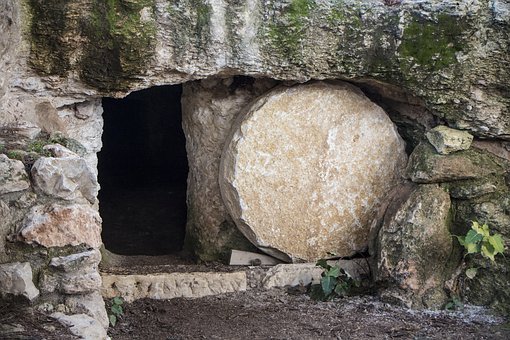 Il-Vanġelu ta’ Ġwanni jiddeskrivi l-laqgħat li l-appostli, Marija Madalena u d-dixxipli l-oħra kellhom ma’ Ġesù Rxoxt. Ħafna drabi Hu wera lilu nnifsu bis-sinjali tal-passjoni tiegħu, biex jerġa’ jiftħilhom qalbhom għall-ferħ u t-tama. Darba minnhom deherilhom meta l-appostlu Tumas ma kienx qiegħed magħhom. L-oħrajn, li kienu raw ‘il Ġesù, irrakkuntawlu din l-esperjenza tal-għaġeb, forsi riedu jwasslulu l-ferħ li kienu ħassew. Imma Tumas ma setgħax jaċċetta dak li qalulu; hu stess ried li jara u jmiss ‘il Ġesù. U hekk ġara ftit tal-ġranet wara: Tumas kien mad-dixxipli meta Ġesù reġa’ deherilhom u Tumas kien qiegħed magħhom. Hu stqarr il-fidi tiegħu u għaraf ‘il Ġesù Rxoxt bħala: “Mulej tiegħi u Alla tiegħi!”. U Ġesù qallu:
“Emmint għax rajtni! Henjin dawk li ma rawx u emmnu”.
Dan il-Vanġelu nkiteb wara li n-nies li kienu xhieda tal-ħajja, il-mewt u l-irxoxt ta’ Ġesù kienu diġà mietu. Il-messaġġ tal-Vanġelu kellu bilfors jingħata f’idejn il-ġenerazzjonijiet ta’ wara, u din l-aħbar isserraħ fuq ix-xhieda ta’ dawk li kienu rċevewha. Hekk beda ż-żmien tal-Knisja, il-poplu t’Alla li qed ikompli jħabbar il-messaġġ ta’ Ġesù billi jgħaddi fedelment il-kelma Tiegħu u jgħix skont ma tgħid hi. Aħna wkoll iltqajna ma’ Ġesù, mal-Vanġelu u mal-fidi nisranija permezz tal-kelma u x-xhieda ta’ nies oħra, u emminna. Għalhekk aħna “hienja”.
“Emmint għax rajtni! Henjin dawk li ma rawx u emmnu”.
Biex ngħixu din il-Kelma, ejjew niftakru f’din l-istedina ta’ Chiara Lubich: “Hu jrid li int u dawk kollha li ma għexux fi żmienU, tkunu konvinti li għandkom l-istess realtà tal-Appostli. Ġesù jrid jgħidlek li inti m’intix inqas minn dawk li kienu rawH b’għajnejhom. Inti għandek il-fidi, u din hi l-mod ġdid li bih, biex ngħid hekk, “naraw” ‘il Ġesù. Bil-fidi inti tista’ tersaq ħdejH, tifhmu sew u tiltaqa’ miegħu fil-fond ta’ qalbek. Bil-fidi inti tista’ tiskopri li Hu jinsab fejn tnejn jew tlieta jkunu miġbura f’ismu, jew fil-Knisja, li hi l-kontinwazzjoni Tiegħu. […] Dan il-kliem ta’ Ġesù qed isejjaħlek biex issaħħaħ il-fidi tiegħek, biex ma tistennix appoġġi jew sinjali li bihom tikber fil-ħajja spiritwali tiegħek, biex ma tiddubitax mill-preżenza ta’ Kristu f’ħajtek u fl-istorja tal-bniedem, għalkemm Hu jista’ jidher ‘il bogħod minnek […]. Hu jridek temmen f’imħabbtU, anki jekk tinsab f’sitwazzjonijiet diffiċli, jew magħfus b’ċirkustanzi impossibili”. 1
Anne, tfajla Awstraljana li twieldet b’diżabiltà serja, tirrakkonta: “Meta kont għadni tfajla, tant kont inħoss it-toqol tad-diżabiltà tiegħi li kont nistaqsi lili nnifsi l-għala ma mittx mill-ewwel. Il-ġenituri tiegħi, li jgħixu l-Kelma tal-ħajja, kienu jagħtuni dejjem l-istess tweġiba: “Anne, Alla jħobbok b’imħabba mill-aktar kbira u għandu pjan speċjali għalik”. Quddiem il-limiti tiegħi, huma għenuni biex ma niqafx quddiem id-diffikultajiet tiegħi, imma “biex nibda nħobb lill-oħrajn jien l-ewwel”, l-istess kif Alla għamel magħna. Rajt li ħafna sitwazzjonijiet ta’ madwari nbidlu u ħafna nies bdew huma stess ikunu aktar miftuħa, lejja u lejn l-oħrajn. Irċevejt messaġġ personali mingħand missieri li tahuli biex niftħu wara mewtu. Fih kien hemm miktub hekk: “Għalija, il-lejl mhuwiex mudlam”. Din hi l-esperjenza li nagħmel kuljum: kull meta nagħżel li nħobb u naqdi ‘l dawk ta’ madwari, id-dlam jintemm u jirnexxili nħobb bl-imħabba li Alla għandu għalija”.
Letizia Magri
1. C. Lubich, Kelma tal-Ħajja ta’ April 1980, fil-ktieb Parole di Vita, ta’ Fabio Ciardi (Opere di Chiara Lubich 5; Città Nuova, Roma 2017), pp. 169-170.
Related experience: “My Night has no Darkness” (Source: www.focolare.org)
https://soundcloud.com/user-63571203/april-2020[:en]
“Blessed are those who have not seen and yet have come to believe” (Jn. 20:29).
The Gospel of John describes the occasions when the Risen Jesus appeared to the apostles, to Mary Magdalene and to the other disciples. Jesus bore the marks of the crucifixion but his appearances filled the hearts of those who saw him with joy and hope again. On one of these occasions, the apostle Thomas was missing. The others, who had seen the Lord, told him about this wonderful experience, perhaps because they wanted to transmit the same joy to him. Thomas, however, could not accept the testimony of others; he wanted to see and touch Jesus for himself.
And this is what happened a few days later: Jesus appeared again to a group of disciples when Thomas was present. The latter proclaimed his faith, his total belonging to the Risen One, by saying, “My Lord and my God!” Jesus answered him,
This Gospel was written after the eyewitnesses to the life, death and resurrection of Jesus had died. The transmission of the Gospel message to subsequent generations was based on the testimony of those who, in their turn, had received the proclamation. Herein lies the beginning of the Church, the people of God who continue to proclaim the message of Jesus by faithfully transmitting and living his word.
We too have met Jesus, the Gospel and the Christian faith through the words and witness of others and we have believed. For this reason “we are blessed”.
Blessed are those who have not seen and yet have come to believe
To live this Word it is helpful to recall a passage written by Focolare founder, Chiara Lubich: “He wants to confirm in us – and in everyone who did not live at the same time as Jesus – the belief that we all share in the same reality as the apostles. Jesus wants to tell us that we are not at a disadvantage in comparison with those who actually saw him. The fact is we have faith and this is the new way of “seeing” Jesus. With faith we can approach him, understand him and meet him in the depths of our heart. With faith we can discover him when two or more people are united in his name, or in the Church which is his continuation […]. These words of Jesus are an invitation to revive our faith, not to wait for support or signs of progress in our spiritual lives and not to doubt the presence of Christ in our lives and in history, even though he may seem far away from us. […]. He wants us to believe in his love, even if we find ourselves in difficult situations or if impossible circumstances prevail upon us.“[1]
Anne is a young Australian woman who was born with severe hearing loss. She says, “During my adolescence, I wondered why I was still alive because the burden of my disability was so great. My parents, who live the Word of Life, always gave me the same answer, ‘Anne, God loves you immensely and has a special plan for you.’ They helped me avoid being closed in on myself and totally blocked by my physical difficulties. They encouraged me to ‘be the first to love’ as God had done with us. I have seen that many situations around me have changed: people have become more open towards me and towards others. My father gave me a personal message that he told me to open after his death. He had written just one sentence, ‘My night has no darkness’. It is my daily experience: every time I choose to love and serve those around me, there is no more darkness and I can experience the love that God has for me.’
Letizia Magri
[1] Chiara Lubich Word of Life April 1980
Related experience: “My Night has no Darkness” (Source: www.focolare.org)
https://soundcloud.com/user-63571203/april-2020[:]

Add Comment