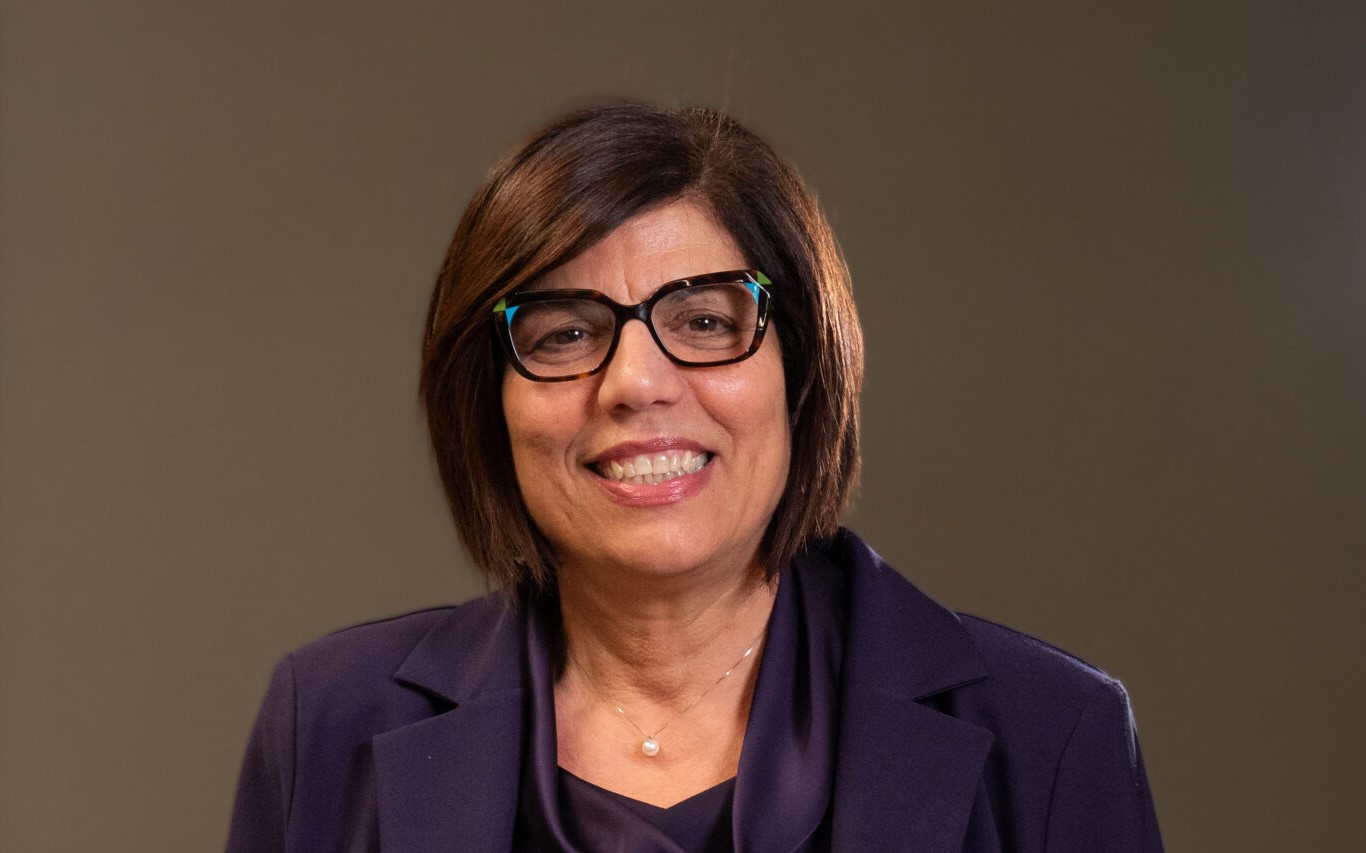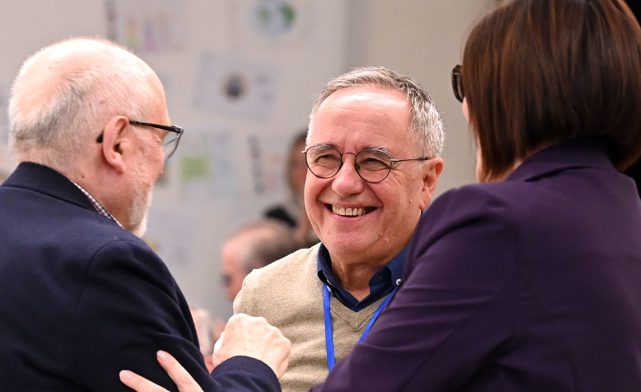

Europe’s Christian roots were the focus of discussion in Malta’s capital of Valletta on the 7th and 8thof May during a forum titled Towards a Europe of Hope, Healing and Hospitality. The goal of the forum, which is held each year by the European Union in the country of the presidency, is the promotion of dialogue according to the foundational inspiration of Robert Schuman. On the first day, after the opening events at the Anglican Cathedral, there was an artistic performance and a prayer titled “Hope”. Then a procession led through the streets of Valletta to the Roman Catholic Co-Cathedral of Saint John where some words were offered by Archbishop Scicluna and Maria Voce. The Focolare president offered a reflection on “Healing and Reconciliation”.
On the anniversary of that “community of peoples” that Schuman envisioned in 1950, proposing the historic coal and steel community to avoid all forms of war between France, Germany and any country who would later join the community, Maria Voce asked what the inspirational spark might have been behind such an extraordinary gesture that was intended to bring reconciliation to populations overwhelmed by the most horrible conflicts ever seen up until then. Who had inspired Schuman, Adenauer, De Gasperi – all Christian statesmen who are considered the founding fathers of Europe? The answer is obvious: “We want to think that the ideas and the strength to build Europe came from God who had shown his love for all people by suffering an infamous and atrocious death, God had identified with all the pains of humanity, including the ones deriving from violence and wars.”
With regard to the culture that could emerge when there is profound reconciliation, Maria Voce quoted Chiara Lubich: “Every person can have a contribution to give – in any field: science, art, politics, communications, and so on. And they will be more efficacious if they work together with others who are united in the name of Christ: it is the continuation of the Incarnation and, it is in this way, that what could be called a culture of the Resurrection spreads through the world.” But for this to happen, “a path towards full and visible communion is asked of us, Christians, knowing that this will be decisive for the unity of Europe and for serving humanity better.”
Recently, this path began to unfold further stages, in Lund, Sweden, Lesbos, Greece, and Cuba. “In a multi-cultural and multi-religious Europe there is need for a new capacity to dialogue, dialogue that can be based on the Golden Rule that is found in every religion on earth.” How significant to be saying these things precisely in the safe port of Malta in the midst of the Mediterranean, in the hope that this blue tomb will again become “Mare Nostrum” where Europe, Africa and the Middle East can find a peaceful route.