Kelma tal-Ħajja

[:mt]Kelma tal-Ħajja ta’ Jannar 2025[:en]January 2025 Word of Life[:]

[:mt]Niżżel il-fuljett tal-Kelma tal-Ħajja bil-Malti


Temmnu inti dan?” (Ġw 11, 26).

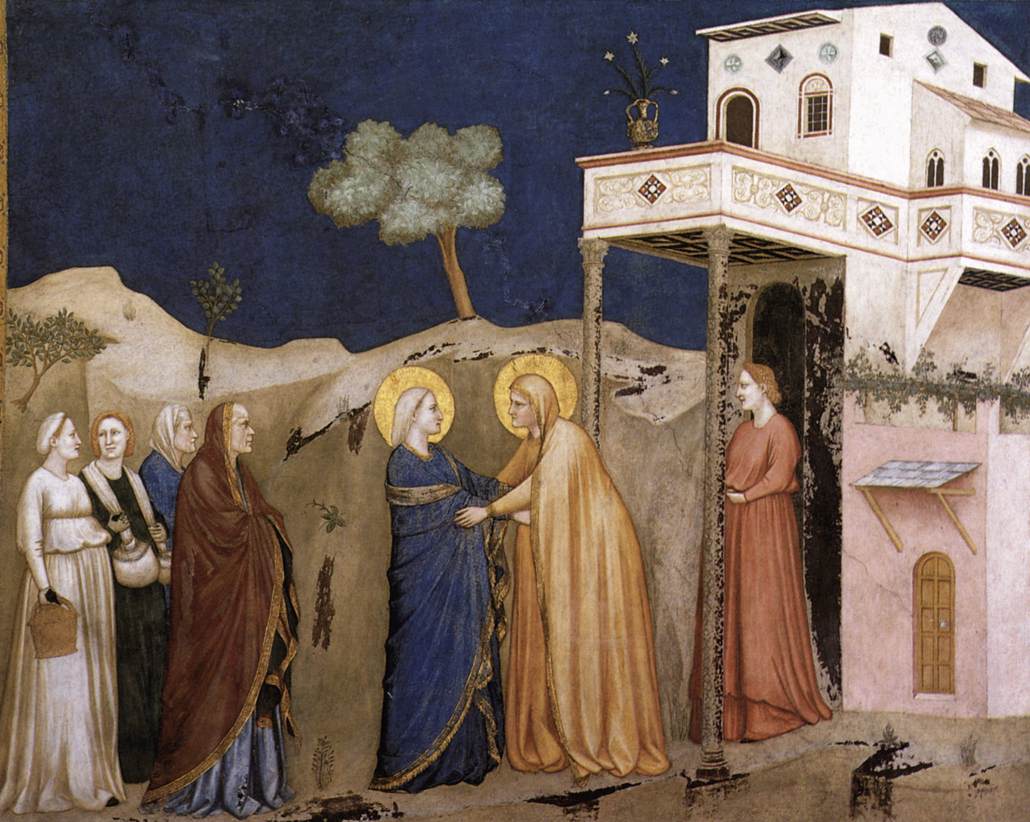
Erbat ijiem wara l-mewt ta’ Lażżru, Ġesù rħielha lejn Betanja. Kif saret taf b’dan, Marta oħt Lażżru, imtliet bit-tama u telqet tiġri biex tiltaqa’ miegħu. Il-Vanġelu jgħid li Ġesù kien iħobb ħafna kemm lilha, kif ukoll lil ħutha Marija u Lażżru[1]. Għalkemm kienet imnikkta għall-aħħar, Marta wriet lil Ġesù li kellha  fiduċja sħiħa fih, ċerta illi kieku kien hemm hu, ħuha ma kienx se jmut. Imma wkoll issa, dak kollu li hu jitlob lil Alla żgur li kien jagħtihulu. Ġesù qalilha: “Ħuk jerġa’ jqum” (Ġw 11, 23).

“Temmnu inti dan?”

Ġesù fissrilhom li Lażżru kien se jqum dak il-ħin stess, u mhux fl-aħħar jum. Hu qal lil Marta biex temmen fi kliemu, jiġifieri fil-miraklu li jagħmel ma’ kull min jemmen li Hu jista’ jagħtih ħajja ġdida u l-qawmien mill-mewt. Minflok il-kelma miraklu, San Ġwann juża l-kelma: “sinjal”. “Jien hu l-qawmien u l-ħajja” (Ġw 11, 25), stqarr Ġesù. Issa l-fidi li talabha hi rabta personali miegħu, rabta kollha ħeġġa. Li temmen ma jfissirx taċċetta kuntratt li tiffirmah darba u mbagħad ma tħarisx lejh aktar, imma l-fidi hi ġrajja li tibdel u timla ʹl ħajjitna.

“Temmnu inti dan?”

Ġesù jistedinna ngħixu ħajja ġdida kulfejn inkunu. Jistedinna nagħmlu l-esperjenza tagħha kull ġurnata għax nafu li, kif skoprejna fil-Milied, kien hu stess li ġabilna din il-ħajja  meta ġie jgħammar fostna u kien hu li ġie jfittixna l-ewwel. Issa kif se nwieġbu għal din il-mistoqsija? Ejjew inħarsu lejn Marta, oħt Lażżru. Hi u titkellem ma’ Ġesù stqarret il-fidi sħiħa  fih. Kif insibu fl-oriġinal Grieg tal-Vanġelu, il-kliem “jiena nemmen” li qalet hi, ifisser “wasalt biex nemmen”, “nemmen b’fidi sħiħa” li “inti l-Messija, l-Iben ta’ Alla li ġie fid-dinja”[2]. Din hi konvinzjoni li mmaturat biż-żmien, imsaħħa biċ-ċirkustanzi li ltaqgħet magħhom f’ħajjitha.

Il-Mulej qed idur fuqi u jagħmilli l-istess mistoqsija. Jitlob lili wkoll li jkolli fiduċja sħiħa fih, u fil-mod kif għex hu li kellu mħabba kbira u konkreta lejn kulħadd. Il-perseveranza tgħinni nimmatura fil-fidi tiegħi li tissaħħaħ meta nagħraf kemm hu veru kliem Ġesù li ngħix fil-ħajja tiegħi ta’ kuljum, u li ma jonqosx li juri ruħu fl-imġiba tiegħi mal-oħrajn. Aħna wkoll nitolbu t-talba tal-appostli li għamlu lil Ġesù: “Kattar fina l-fidi” (Lq 17, 6).

“Temmnu inti dan?”

Patricia, omm mill-Amerika t’Isfel tgħid hekk: “Waħda minn uliedi bniet sfat bla xogħol, hi u sħabha kollha għax il-gvern kien għalaq l-aġenzija fejn kienu jaħdmu. Bħala protesta, marru jikkampjaw quddiem il-bini ta’ din l-aġenzija. Jiena fittixt li nkun ta’ għajnuna għalihom u ħadt sehem f’xi attivitajiet tagħhom. Kont neħdilhom x’jieklu u noqgħod nitkellem magħhom.

Nhar il-Ħamis ix-Xirka, numru ta’ qassisin li kienu qed jgħinuhom, iddeċidew li jagħmlu ċelebrazzjoni li fiha offrew ħinijiet ta’ smigħ, ta’ qari tal-Vanġelu u sar il-ħasil tar-riġlejn, b’tifkira ta’ dak li kien għamel Ġesù. Il-maġġoranza ta’ dawk preżenti ma kinux nies ta’ fidi. Madankollu, kien mument ta’ għaqda profonda, ta’ fraternità u tama. Ħassewhom bħallikieku maħbubin u rringrazzjaw lil dawk is-saċerdoti li marru ħdejhom u mxew magħhom f’dan il-mument ta’ inċertezza u tbatija”.

Din il-Kelma ta’ Ġesù ntagħżlet bħala gwida għall-Ġimgħa ta’ Talb għall-għaqda tal-Insara ta’ din is-sena. Ejjew mela nitolbu u nagħmlu ħilitna kollha biex it-twemmin tagħna jkun mezz biex inkunu lkoll aħwa ta’ xulxin. Din hi x-xewqa ta’ Alla għall-bnedmin, imma jeħtieġ li nagħtu lkoll sehemna. It-talb u l-ħidma tagħna jagħtu l-frott jekk inserrħu fuq din il-fiduċja  tagħna f’Alla u fuq dak kollu li nagħmlu.


Silvano Malini u t-team tal-Kelma tal-Ħajja
[1] Ġw 11, 5.

[2] Ġw 11, 27.


https://soundcloud.com/user-63571203/january-2025-word-of-life?utm_source=clipboard&utm_medium=text&utm_campaign=social_sharing[:en]

for ages 4-8 | Print | Audio

“Do you believe this?” (Jn 11:26).

Jesus was travelling to Bethany, the town where Lazarus had died four days earlier. When Martha, Lazarus’ sister, heard that Jesus was on his way, she was filled with hope and ran to meet him.  John’s gospel indicates that Jesus loved her, Lazarus and their sister, Mary, very much.[i]  Although Martha was sorrowful, she showed her great trust in the Lord and was convinced that had he been present, her brother would not have died but, nevertheless, any request she made to God would be granted. Jesus affirmed, ‘Your brother will rise again.’ (Jn 11:23)

“Do you believe this?”

After clarifying that he was referring to Lazarus’ return to physical life there and then and not to the life that awaits the believer after death, Jesus asked Martha if she had complete faith. Not only was he about to perform one of his miracles – which the evangelist John calls ‘signs’ – but he wanted to give resurrection and new life to her and all believers.

Jesus proclaimed, ‘I am the resurrection and the life’ (John 11:25) and the faith he asked of Martha lay in a personal relationship with him and active and dynamic adherence. Believing is not like accepting a contract that you sign once and then never look at again, but it is something that transforms and permeates your daily life.

“Do you believe this?”

Jesus invites us to live a new life here and now. He invites us to experience it every day, knowing that, just as we rediscovered at Christmas, he himself brought this life to us by first seeking for us and coming to dwell among us.

How do we answer his question? Let us look to Lazarus’ sister, Martha.

In dialogue with Jesus, she made a full profession of faith. The original text in Greek expresses this with great force. The ‘I believe’ that she pronounced means ‘I have come to believe’, ‘I firmly believe’ that ‘you are the Christ, the Son of God who is to come into the world’ [ii], with all the consequences that this brings. It is a conviction that has matured over time and has been tested by the different events she faced during her life.

The Lord also addresses this question to us. He asks us to trust firmly in him and adhere to his way of life, founded on generous and practical love for all. Our faith will mature through perseverance and it will grow stronger, as each day we see the truth of Jesus’ words when put into practice. Furthermore, this will make a positive impact upon our daily actions towards others. In the meantime, we can make our own the prayer that the apostles made to Jesus: ‘Increase our faith’ (Lk 17:6).

“Do you believe this?”

Patricia, from South America said, ‘One of my daughters had lost her job because the government had closed the public agency where she worked.  The same thing had happened to her colleagues. As a form of protest, they had set up an encampment in front of the office. I tried to help them by participating in some of their activities, bringing them food or simply stopping to talk to them.

On Maundy Thursday, a group of priests who were supporting them in their plight decided to hold a ceremony during which there was space to listen, a reading from the Gospel and the act of washing feet was performed, in memory of what Jesus did before his crucifixion. The majority of those present were not religious people. Nevertheless, it was a moment of deep union, fraternity and hope. They felt warmly welcomed and were moved, as they thanked those priests who accompanied them in their uncertainty and suffering.’

This word of Jesus has been chosen as the guide for the Week of Prayer for Christian Unity 2025. Let us pray and work so that our common belief may be the driving force in the search for fraternity with all: this is God’s proposal and desire for all humanity, but it requires us to play our part too. Prayer and action will be effective if they arise from this trust in God and we live accordingly.

by Silvano Malini and the Word of Life Team


[i] Jn 11:5

[ii] Cf. Jn 11:27


 [:]

Add Comment

Click here to post a comment

This site uses Akismet to reduce spam. Learn how your comment data is processed.