Kelma tal-Ħajja

[:mt]Kelma tal-Ħajja ta’ Diċembru[:en]December Word of Life[:]

[:mt]Niżżel il-leaflet tal-Kelma tal-Ħajja bil-Malti


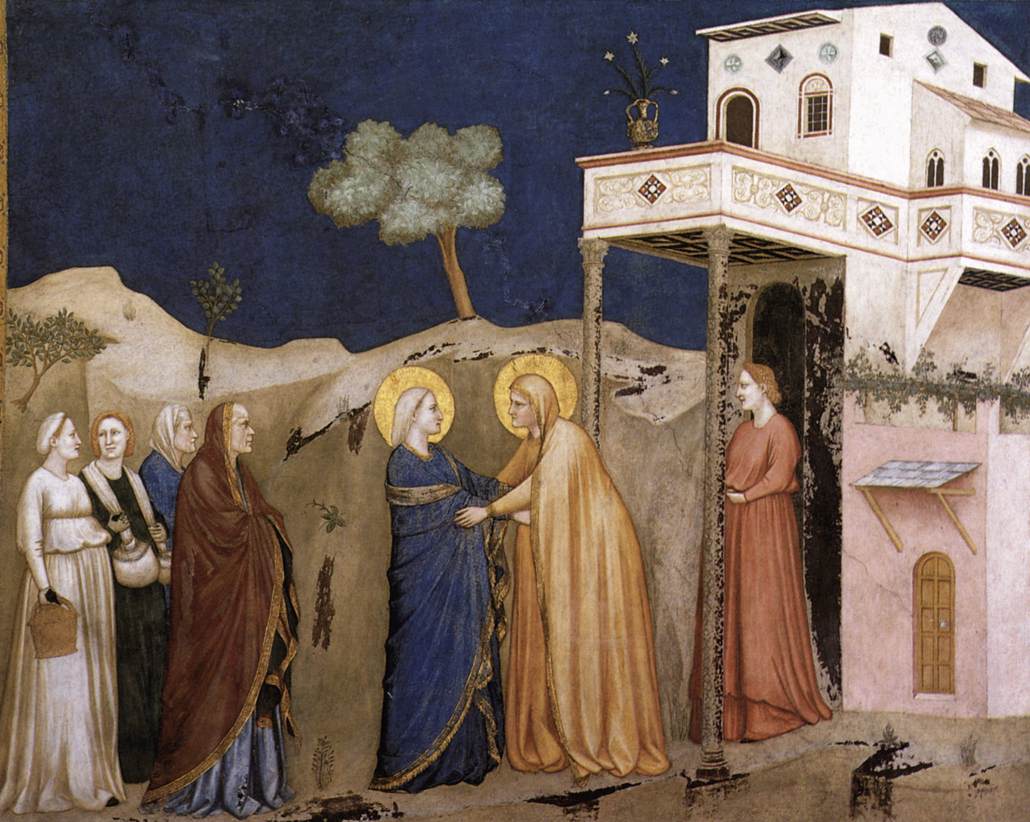
“Hienja dik li emmnet li jseħħ kull ma bagħat jgħidilha l-Mulej” (Lq 1, 45).

Il-Kelma tal-ħajja ta’ dan ix-xahar qed terġa’ tpoġġi quddiemna beatitudni oħra. B’dan il-kliem ta’ ferħ, Eliżabetta sellmet lil Marija li marret għandha biex tgħinha. Iva, għax dawn iż-żewġ nisa ta’ fidi kbira, it-tnejn li huma kienu qed jistennew tarbija u t-tnejn laqgħu l-Kelma t’Alla u  għarfu l-qawwa tagħha f’dak li wettqet fiċ-ċokon tagħhom.

Marija hi l-ewwel bniedma mbierka fil-Vanġelu ta’ San Luqa; hi Dik li ħasset il-ferħ tal-intimità tagħha m’Alla. B’din il-beatitudni San Luqa jiftaħ triq biex wieħed ikun jista’ jaħseb fuq ir-rabta li hemm bejn it-tħabbira tal-Kelma t’Alla u l-fidi li dak li jkun jilqagħha, bejn l-inizjattiva t’Alla u aħna li nilqgħuha b’mod liberu.

“Hienja dik li emmnet li jseħħ kull ma bagħat jgħidilha l-Mulej”.

Marija hi dik li b’qalbha kollha emmnet fil-“wegħda li saret lil Abram u ʹl nislu għal dejjem”[4]. Tant għamlet il-vojt fiha nfisha, tant kienet umli u miftuħa għas-smigħ tal-Kelma, li l-istess Verb t’Alla seta’ jinżel fil-ġuf tagħha u jidħol fl-istorja tal-bnedmin.

Ħadd ma jista’ jgħaddi mill-istess esperjenza ta’ Marija Omm u Verġni, imma lkoll kemm aħna nistgħu nimitawha fil-fidi sħiħa tagħha fl-imħabba t’Alla. Jekk niftħu qalbna biex nilqgħu l-Kelma u dak kollu li hi twiegħed, hi tista’ tieħu l-ħajja ġewwa fina. Bħala ċittadini, ħajjitna ssir waħda li tagħti l-frott, aħna min aħna: missirijiet u ommijiet, studenti, ħaddiema u nies politiċi, żgħażagħ u xjuħ, b’saħħitna jew morda.

U jekk aħna nies ta’ fidi dgħajfa, bħal dik ta’ Żakkarija[5]? Jeħtieġ li nkomplu nafdaw fil-ħniena t’Alla. Hu qatt ma jieqaf ifittixna, sakemm aħna wkoll nerġgħu nagħrfu l-fedeltà tiegħu u nberkuH b’qalbna kollha.

“Hienja dik li emmnet li jseħħ kull ma bagħat jgħidilha l-Mulej”.

Fuq dawk l-istess għoljiet tal-Art Imqaddsa, fi żminijiet aktar reċenti, kien hemm omm oħra, mara ta’ fidi kbira li kienet tgħallem ʹl uliedha l-arti tal-maħfra u tad-djalogu li hi kienet tgħallmet mill-Vanġelu. Margaret tirrakkonta: Ommi kienet tgħidilna: ‘Meta tħossukom imweġġgħa minn tfal oħra ġirien tagħna, stednuhom jiġu għandna d-dar’. U hi stess kienet tagħtihom ħobż li tkun għadha kemm ħmiet, biex jieħduh magħhom id-dar. B’hekk inbniet rabta ta’ ħbiberija ma’ dawn in-nies”.

Chiara Lubich ukoll tgħinna f’din il-fidi kuraġġuża. Tgħidilna: “Wara Ġesù, Marija hi dik li bl-aktar mod perfett għarfet tgħid ‘iva’ lil Alla. Din hi fuq kollox il-qdusija u l-kobor tagħha. U jekk Ġesù hu l-Verb, il-Kelma li saret bniedem, Marija, bil-fidi tagħha fil-Kelma, hi l-Kelma ħajja, imma hi bniedma bħalna, daqsna. […] Mela bħal Marija aħna rridu nemmnu li għad iseħħu l-wegħdiet kollha li nsibu fi Kliem Ġesù. U jekk ikun meħtieġ, bħalHa nħabbtu wiċċna ma’ affarijiet li jistgħu jidhru bla sens fil-Kelma t’Alla. Għal dawk li jemmnu fil-Kelma, iseħħu dejjem affarijiet tal-għaġeb. Kotba sħaħ jistgħu jinkitbu bi ġrajjiet ta’ nies li għexu l-Kelma. […] Meta fil-ħajja ta’ kuljum, aħna u naqraw il-Kotba Mqaddsa, niltaqgħu mal-Kelma t’Alla, ejjew niftħu qalbna u b’fidi sħiħa nisimgħu li dak li qed jitlob minna u li jwiegħed Ġesù, għad iseħħ. Ma ndumux ma nindunaw […] li Hu ta’ kelmtu”[6].

“Hienja dik li emmnet li jseħħ kull ma bagħat jgħidilha l-Mulej”.

F’dan iż-żmien ta’ tħejjija għall-Milied, irridu niftakru fil-wegħda tal-għaġeb ta’ Ġesù li Hu jkun fost dawk li jilqgħuh u li jgħixu l-kmandament tal-imħabba lejn xulxin: “Fejn tnejn jew tlieta jkunu miġbura f’ismi – jiġifieri fl-imħabba tal-Vanġelu – hemm  inkun jien f’nofshom”[7]. Mimlijin bil-fiduċja f’din il-wegħda, anki llum nistgħu nwelldu mill-ġdid lil Ġesù fid-djar u t-toroq tagħna, billi nilqgħu u nisimgħu sew lil xulxin, kif ġara meta Marija marret għand Eliżabetta.

Letizia Magri

[1] cfr. 10 anni di “Percorsi di luce” in https://www.focolare.org/famiglienuove
[2] I. Giordani, L’inutilità della guerra, Roma 2003 , pġ. 111
[3] C. Lubich, Kelma tal-Ħajja Jannar 2004, fil-ktieb Parole di Vita, ta’ Fabio Ciardi (Opere di Chiara Lubich 5; Città Nuova, Roma 2017) pġ. 709-712.
[4] Ara Lq 1, 55.
[5] Cf. Lc 1, 5-22; 67-69.
[6] C. Lubich, Parola di vita agosto 1999, in eadem, Parole di vita, a cura di Fabrio Ciardi (Opere di Chiara Lubich 5, Città Nuova, Roma 2017) p. 611-612.
[7] Cf. Mt 18, 20.[:en]Download pdf


“And blessed is she who believed that there would be a fulfillment of what was spoken to her by the Lord” (Lk. 1:45).

This month, too, the Word of Life refers to a beatitude. It is the joyful and inspired greeting of one woman to another: Elizabeth is speaking to Mary who has come to help her. They are both expecting a child and, being profound believers, they have both welcomed the Word of God and experienced its generative power in their humble lives.

Mary is the first blessed in Luke’s Gospel: she is the first person to experience the fullness of the joy of intimacy with God. With this beatitude, for the first time, the evangelist reflects on the relationship between the announcement of the Word of God and the faith that welcomes it, in other words, between God’s initiative and the person’s free response.

And blessed is she who believed that there would be a fulfillment of what was spoken to her by the Lord.

Mary is the true believer in the “promise made to Abraham and his descendants for ever.” (i) She is so empty of herself, so humble and open to listening to the Word, that the Word of God itself can become flesh in her womb and enter the history of humankind.

No one can experience the same motherhood as Mary, but we can all imitate her and trust in God’s love. If we welcome the Word with an open heart, its promises can become incarnate in us too and make our lives fruitful in many different ways – as citizens, parents, students, workers or politicians, whether we are young or old, healthy or sick.

What if, like Zechariah, our faith is uncertain? (ii) We can still continue to trust in God’s mercy. He will not stop seeking us, until we too rediscover his faithfulness and bless him.

And blessed is she who believed that there would be a fulfillment of what was spoken to her by the Lord.

Among the same hills of the Holy Land, in far more recent times, another mother who had deep faith taught her children the art of forgiveness and dialogue as she had learned from the Gospel. This was a small sign in this land, cradle of civilisation, which has always been in search of peace and stability even among the followers of different religions. Margaret recounts, “We children were offended and upset because the other children who were neighbours said that they did not want to mix with us. Our mother told us to invite these children to our house and she gave them some bread that she had freshly baked and told them to take it home to their families. Since then, we have been able to build friendships with these people.”

Focolare founder, Chiara Lubich, also supports us in having this courageous faith. She wrote, “After Jesus, Mary is the one who knew how to say ‘yes’ to God in the best and most perfect way. This is the source of her holiness and her greatness. If Jesus is the Word, the incarnate Word, Mary, because of her faith in the Word, is the Word lived, but is also a creature like us, equal to us. Therefore, we can believe like Mary that all the promises contained in Jesus’ Word will be fulfilled and, if necessary, like her, run the risk of facing the absurdity that his Word sometimes brings. Great and small, but always wonderful, things happen to those who believe in the Word. We could fill books with the facts that prove this.

When, in our daily lives, in reading the Holy Scriptures we encounter the Word of God, let us open our hearts to listen, with the faith that what Jesus asks of us and promises will come true. It will not be long before we discover that he keeps his promises.” (iii)

And blessed is she who believed that there would be a fulfillment of what was spoken to her by the Lord.

In this time of preparation for Christmas, we recall Jesus’ surprising promise to be present among those who accept and live the commandment of mutual love: “Where two or three are united in my name – that is, in evangelical love – I am in their midst.” (iv)

With firm belief in this promise, let us allow Jesus to be born again today in our homes and in our streets through our mutual acceptance, by listening deeply to one another and, like Mary and Elizabeth, through our fraternal welcome of one another.

Letizia Magri

iCf. Lk.1:55
iiCf Lk 1:5-25, 67-79
iiiChiara Lubich, Word of Life Aug 1999
ivCf. Mt. 18:20[:]

Add Comment

Click here to post a comment

This site uses Akismet to reduce spam. Learn how your comment data is processed.