Kelma tal-Ħajja

[:mt]Kelma tal-Ħajja ta’ Settembru[:en]September Word of Life[:]

[:mt]Niżżel il-fuljett tal-Kelma tal-Ħajja bil-Malti


“Kuljum irrid inbierkek, u nfaħħar ismek għal dejjem ta’ dejjem” (Sal 145 [144], 2).

Bħala għajnuna fil-mixja tagħna għal dan ix-xahar, qed nipproponu silta mis-Salm 145. Fis-Salmi tidher l-esperjenza reliġjuża individwali u kollettiva, li l-poplu ta’ Iżrael għex fil-mixja storika tiegħu, bl-isfidi kollha li ltaqa’ magħhom. It-talba miktuba bi stil poetiku, titla’ għand il-Mulej taħt forma ta’ karba, supplika, ringrazzjament u tifħir. F’dan it-talb insibu sentimenti u attitudni li bihom il-bniedem jesprimi ħajtu u r-rabta tiegħu ma’ Alla l-ħaj.

Fis-Salm 145 naqraw fuq il-maestà ta’ Alla. L-awtur tas-Salmi jfaħħar il-kobor ta’ Alla li jserraħ fuq l-esperjenza persunali tiegħu: “Kbir il-Mulej, ta’ min ifaħħru bil-bosta” (vers 3); ifaħħar it-tjieba tiegħu u l-imħabba li għandu lejn il-ħolqien kollu: “Twajjeb ma’ kulħadd il-Mulej, tjubitu fuq kull ma għamel” (vers 9); jagħraf il-fedeltà tiegħu: “Ta’ kelmtu l-Mulej fil-wegħdiet tiegħu kollha” (ara vers 13b), u jasal biex jinvolvi ʹl kull ħlejqa f’għanja universali: “Ibierek kulħadd l-isem qaddis tiegħu għal dejjem ta’ dejjem” (vers 21).

“Kuljum irrid inbierkek, u nfaħħar ismek għal dejjem ta’ dejjem”.

Xi drabi, il-bniedem tallum iħossu mitluf għax jaħseb li hu maqtugħ għalih waħdu. Il-bniedem tallum jaħseb li l-ġrajjiet ta’ kuljum huma mmexxija minn ċirkustanzi bla sens u li ma jwasslu mkien.

Dan is-salm jagħtina serħan il-moħħ u jħabbar it-tama: “Alla ħalaq is-sema u l-art, hu fidil fil-patt li jorbtu mal-poplu tiegħu, Hu jagħmel ħaqq mal-maħqurin, jagħti l-ħobż lil min hu bil-ġuħ u jeħles l-imjassrin. Hu jkun li jiftaħ għajnejn l-għomja, jerfa’ lil dawk li waqgħu, iħobb lil min hu ġust, iħares lill-barrani, iwieżen l-orfni u r-romol” […]1.

“Kuljum irrid inbierkek, u nfaħħar ismek għal dejjem ta’ dejjem”.

L-ewwelnett, dan il-kliem jistedinna ngħożżu r-rabta tagħna ma’ Alla billi bla ebda riżervi nilqgħu mħabbtu u l-ħniena tiegħu, u billi nintefgħu quddiem dan il-misteru  biex nisimgħu leħnu. Fuq dan għandha sserraħ kull talba li nagħmlu. Imma din l-imħabba ma nistgħux nifirduha mill-imħabba tal-proxxmu, l-aktar meta nimitaw lil Missierna li hu fis-smewwiet u nduru lejn min jinsab imwarrab u waħdu. B’hekk, permezz ta’ din l-imħabba lejn il-proxxmu,  jirnexxielna nintebħu bil-preżenza t’Alla fil-ħajja tagħna ta’ kuljum. Chiara Lubich kienet mistiedna taqsam il-ħajja Nisranija tagħha f’laqgħa li kellha mal-Buddisti. Hi qalet hekk: “… il-qofol tal-esperjenza tiegħi hu dan: aktar ma nħobbu lil ħutna l-bnedmin, aktar noqorbu lejn Alla. Aktar ma noqorbu lejn Alla, aktar inħobbu ʹl ħutna l-bnedmin”2.

“Kuljum irrid inbierkek, u nfaħħar ismek għal dejjem ta’ dejjem”.

Imma hemm triq oħra biex niltaqgħu miegħu. F’dawn l-aħħar snin il-bniedem kiseb kuxjenza ġdida tal-problema ekoloġika u ż-żgħażagħ jinsabu fuq quddiem f’din it-triq. Huma  qed jipproponu mudelli ta’ żvilupp u mpenn biex il-bnedmin kollha jkollhom dritt għal ilma, ikel, arja nadifa, u  għal studju aktar fil-fond dwar enerġiji alternattivi. B’hekk il-bniedem mhux biss jikseb lura r-rabta tiegħu man-natura, imma fl-istess waqt ifaħħar ʹl Alla għax ikun skopra kemm hu għażiż il-ħolqien kollu għaliĦ.

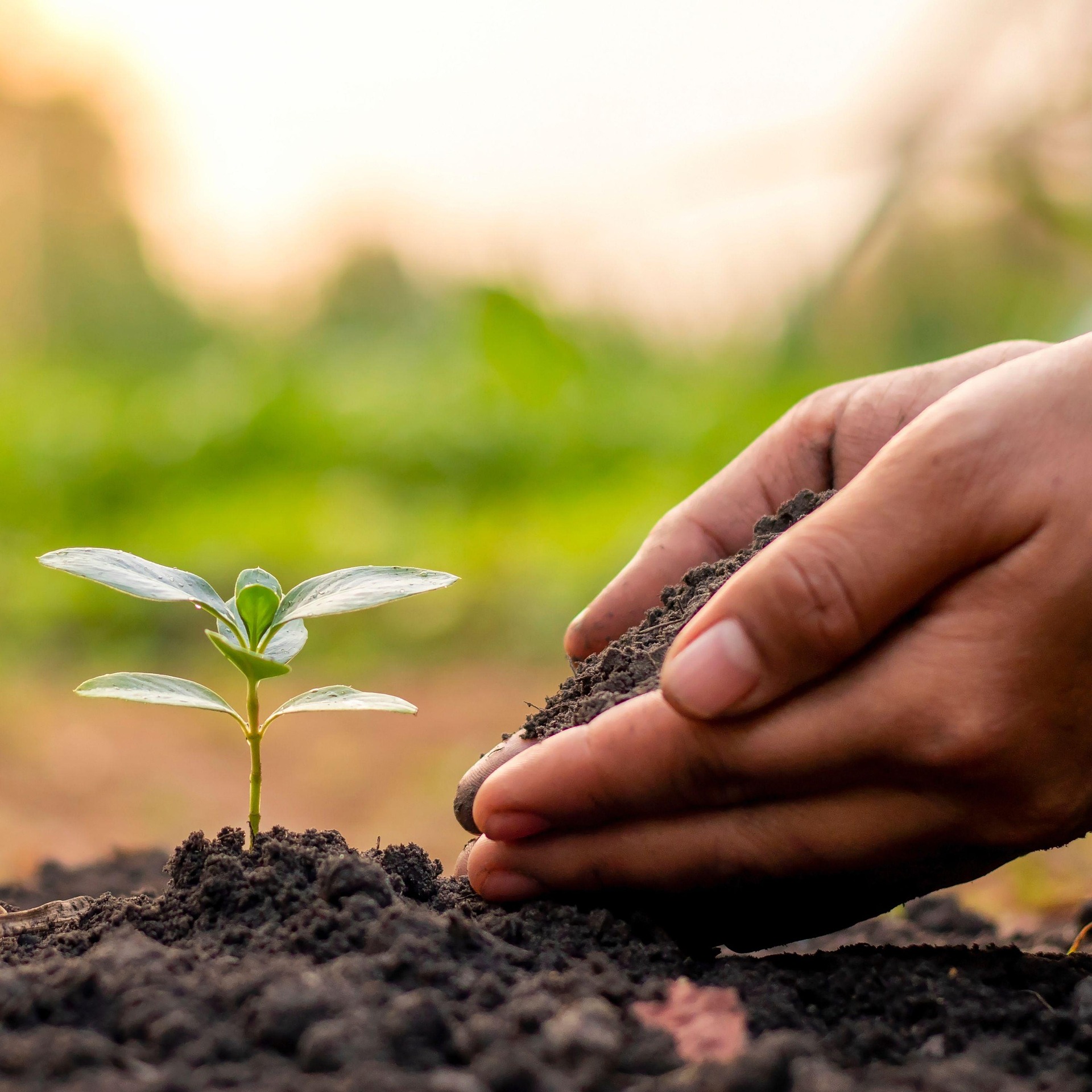
Din li ġejja hi l-esperienza ta’ Venant li fil-Burundi, il-pajjiż fejn twieled. Malli jistenbaħ kien jisma’ l-għana tal-għasafar u kien jimxi biex sħah sa ma jasal l-iskola. Kien iħossu ħaġa waħda mas-siġar, l-annimali, in-nixxiegħat tal-ilma, l-għoljiet kif ukoll ma’ sħabu. Intebaħ kemm in-natura hi qribu f’ekosistema li fiha l-ħlejjaq u l-Ħallieq kienu f’armonija sħiħa. Dan l-għarfien kien jinbidel f’tifħir, mhux għal mument wieħed, imma tul il-jum kollu.

Għandu mnejn issib lil min jistaqsi: u fl-ibliet tagħna? “Fl-ibliet tagħna tas-siment, mibnija minn idejn il-bnedmin fost l-istorbju tad-dinja, qajla ssib postijiet li fihom in-natura ġiet salvata. Iżda biżżejjed nilmħu s-sema ċelesti bejn il-qċaċet tal-appartamenti, biex niftakru f’Alla. Ikun biżżejjed raġġ tax-xemx, li ma jonqosx milli jidħol bejn il-ħadid tal-ħabs; biżżejjed fjura, għalqa mħaddra, il-wiċċ ta’ tarbija…”3.

Augusto Parody Reyes u t-team tal-Kelma tal-Ħajja

  1. Ġwanni Pawlu II. Udjenza Ġenerali, 2 ta’ Lulju, kumment għas-Salm 145.
  2. M. Vandeleene, Jien, ħija, Alla fil-ħsieb ta’ Chiara Lubich, Città Nuova, Roma 1999, pġ. 252
  3. C. Lubich, Taħdidiet bit-telefon, ta’ Michel Vandeleene (Opere di Chiara Lubich 8.1; Città Nuova, Roma 2019) pġ. 340.

[:en]

Every day I will bless you, and praise your name forever and ever. (Ps 145 [144]:2).

for ages 4-8 | for ages 9-17 | Print| Audio

The quotation from Scripture that is offered to help us on our journey this month is a prayer. It is a verse taken from Psalm 145. The Psalms are compositions that reflect the individual and collective religious experience of the people of Israel during their historical journey as they faced the challenges of daily life. Prayer expressed as poetry rises up to the Lord as lament, supplication, thanksgiving and praise. This encompasses a range of emotions and attitudes that men and women experience during their lifetime in their relationship with the living God.

The underlying theme of Psalm 145 is the kingship of God. The psalmist, based on his personal experience, acclaims God’s greatness: ‘Great is the Lord, and greatly to be praised;’ (v. 3);  he  magnifies his goodness and the universality of his love: ‘The Lord is good to all, and his compassion is over all that he has made.’ (v. 9); he acknowledges his faithfulness: ‘The Lord is faithful in all his words, and gracious in all his deeds.’ (v. 13b), and he even goes so far as to involve every living thing in a cosmic song: ‘All flesh will bless his holy name forever and ever’ (v.21).

“Every day I will bless you, and praise your name forever and ever.”

In modern times, however, people may sometimes feel abandoned and alone. They fear that what happens each day is a matter of chance, just a succession of events devoid of meaning and purpose. This psalm reassures and proclaims hope: ‘God is the creator of heaven and earth. He is the faithful keeper of the covenant that binds him to his people. He is the One who does justice to the oppressed, gives the bread that sustains the hungry and frees the captives. It is he who opens the eyes of the blind, raises up the fallen, loves the righteous, protects the stranger, sustains the orphan and the widow …’. [i]

“Every day I will bless you, and praise your name forever and ever.”

This word invites us, first of all, to cherish our personal relationship with God by accepting his love and mercy without reservation.  It invites us to place ourselves before this mystery and  to listen to his voice. This is the foundation of all prayer. But this love of God is never separated from that for our neighbour. When we imitate God the Father in concretely loving every brother and sister, especially the least, those who are rejected by others and those who are lonely, we come to perceive his presence in our daily lives. Chiara Lubich, when invited to speak of her Christian experience before an assembly of Buddhists, summed it up this way: ‘… the heart of my experience is this: the more one loves human beings, the more one finds God. The more one finds God, the more one loves men and women.’ [ii]

Every day I will bless you, and praise your name forever and ever.

But there is another way to find him. In recent decades humanity has gained a new awareness of the great challenge of ecological problems.  Young people in particular are driving forward the recognition of a need for change:  they propose a more sober lifestyle, new development goals and the search for alternative sources of energy.  They also show commitment to the right of all inhabitants of the planet to have clean water, food and air.  In this way human beings can not only rediscover their relationship with nature but also praise God as filled with amazement, they discover his tenderness toward all creation.

This is the experience of Venant M. who, as a child in his native Burundi, used to wake up at dawn to the sound of birdsong and then travel dozens of kilometers in the forest to go to school. He felt fully in tune with the trees, animals, streams, hills and with his companions. He had a sense of being close to nature and felt he was a living part of an ecosystem in which creatures and Creator were in total harmony. This awareness became praise, not just in that moment but throughout the whole day. Some people may ask about those of us who live in cities. ‘Safeguarding nature is a rare occurrence in our concrete metropolises built by human hand amid the din of the world. Yet, if we wish, the sight of blue sky glimpsed between the tops of skyscrapers is enough to remind us of God; a ray of sunshine that succeeds in penetrating  between the bars of a prison, is enough; a flower, a meadow, a child’s face… ‘ [iii]

Augusto Parody Reyes and the Word of Life team

[i] St. John Paul II General Audience 2 Jul 2003

[ii] M. Vandeleene ‘Io, il Fratello & Dio’ in the writings of C. Lubich

[iii] C. Lubich Link Up telephone call , edited by M Vandeleene, Rome 2019[:]

Add Comment

Click here to post a comment

This site uses Akismet to reduce spam. Learn how your comment data is processed.